
Austria · City break
Vienna Travel Guide
Four days of imperial landmarks, creative neighbourhoods and genuine coffeehouse culture.
Vienna at a glance
Vienna blends monumental history with a relaxed, highly liveable present. Around the Ringstrasse and the Danube Canal you will find world-class museums, elegant coffeehouses, markets, vineyards and neighbourhoods where everyday life matters more than ticking off another sight. Four full days work well for a first visit. Spring and autumn usually bring pleasant walking weather; the Advent season is atmospheric, but much busier.
Best time
April to June and September to October. July and August can be hotter and more crowded.
Ideal stay
Four days for the historic centre, palaces, museums, markets and at least one local neighbourhood.
Getting around
U-Bahn, trams and buses cover the city efficiently. Central sights connect easily on foot.
Day 1: Old Town & Hofburg
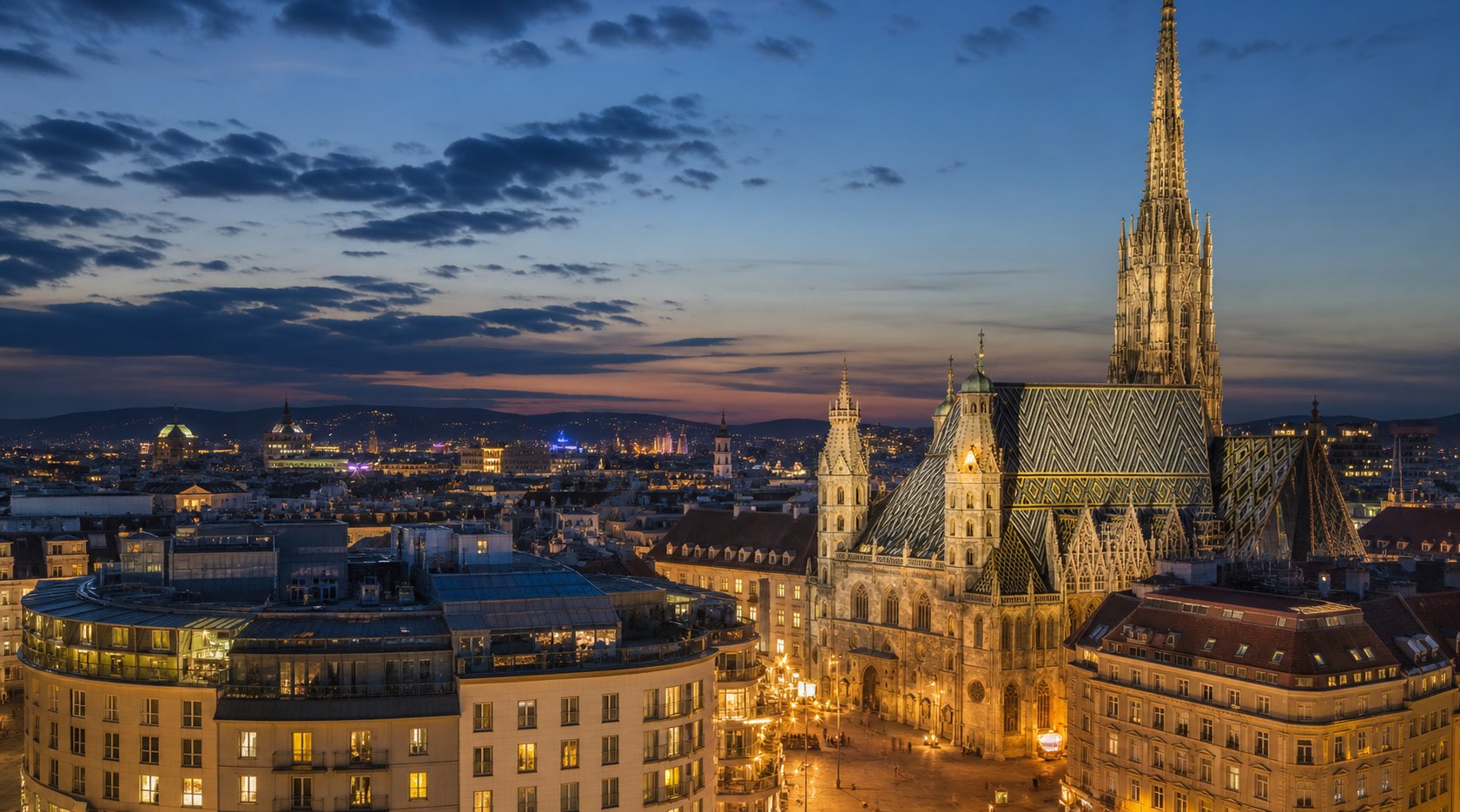
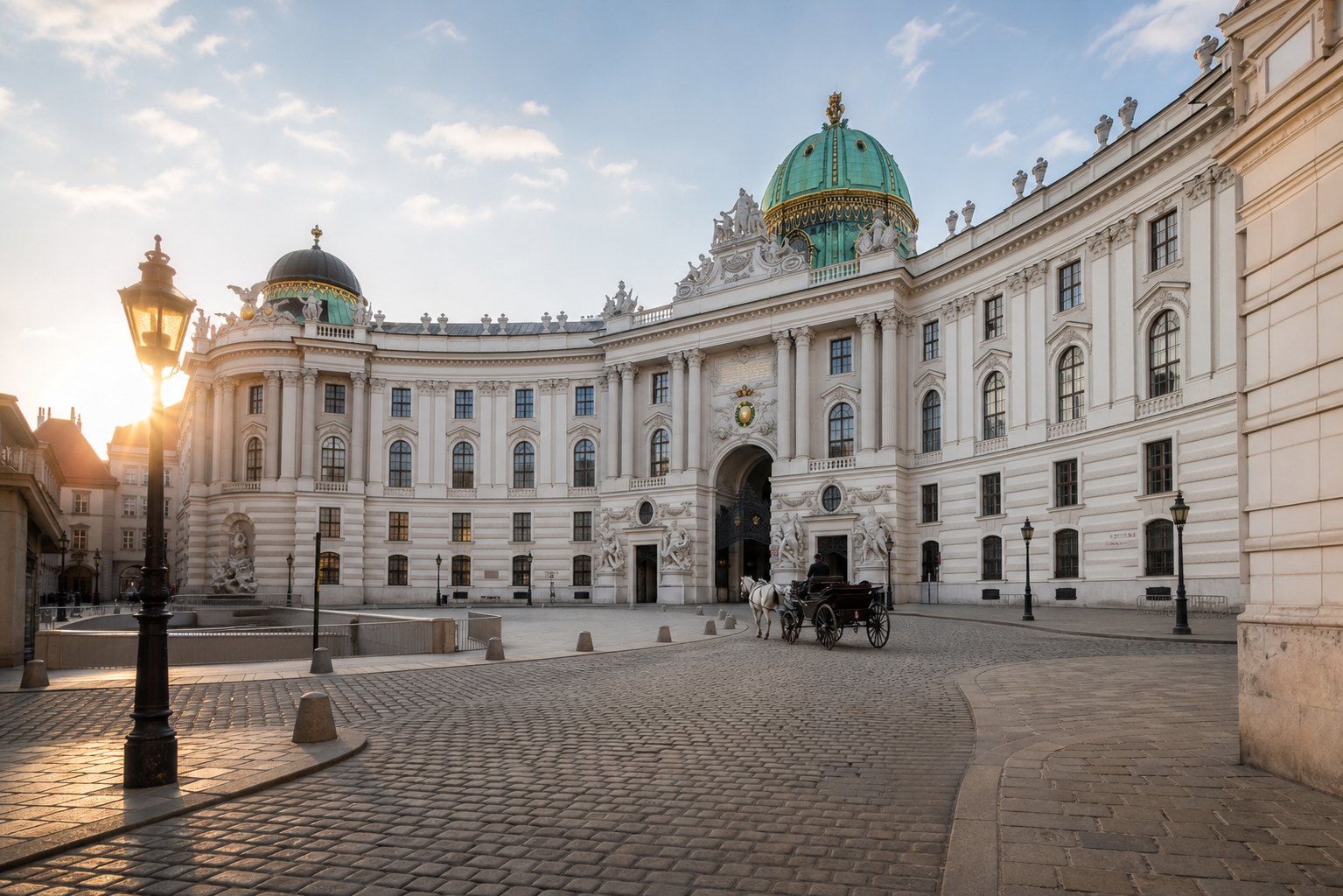
Start early at St Stephen’s Cathedral, before the surrounding streets fill up. Walk along Graben and Kohlmarkt to the Hofburg and choose between the Imperial Apartments, National Library and Albertina according to your interests. Continue via the Ringstrasse, Volksgarten and City Hall. For dinner, try Gasthaus Pöschl for Viennese dishes or the well-known Figlmüller; booking ahead is sensible at popular restaurants.
Day 2: Schönbrunn & Neubau
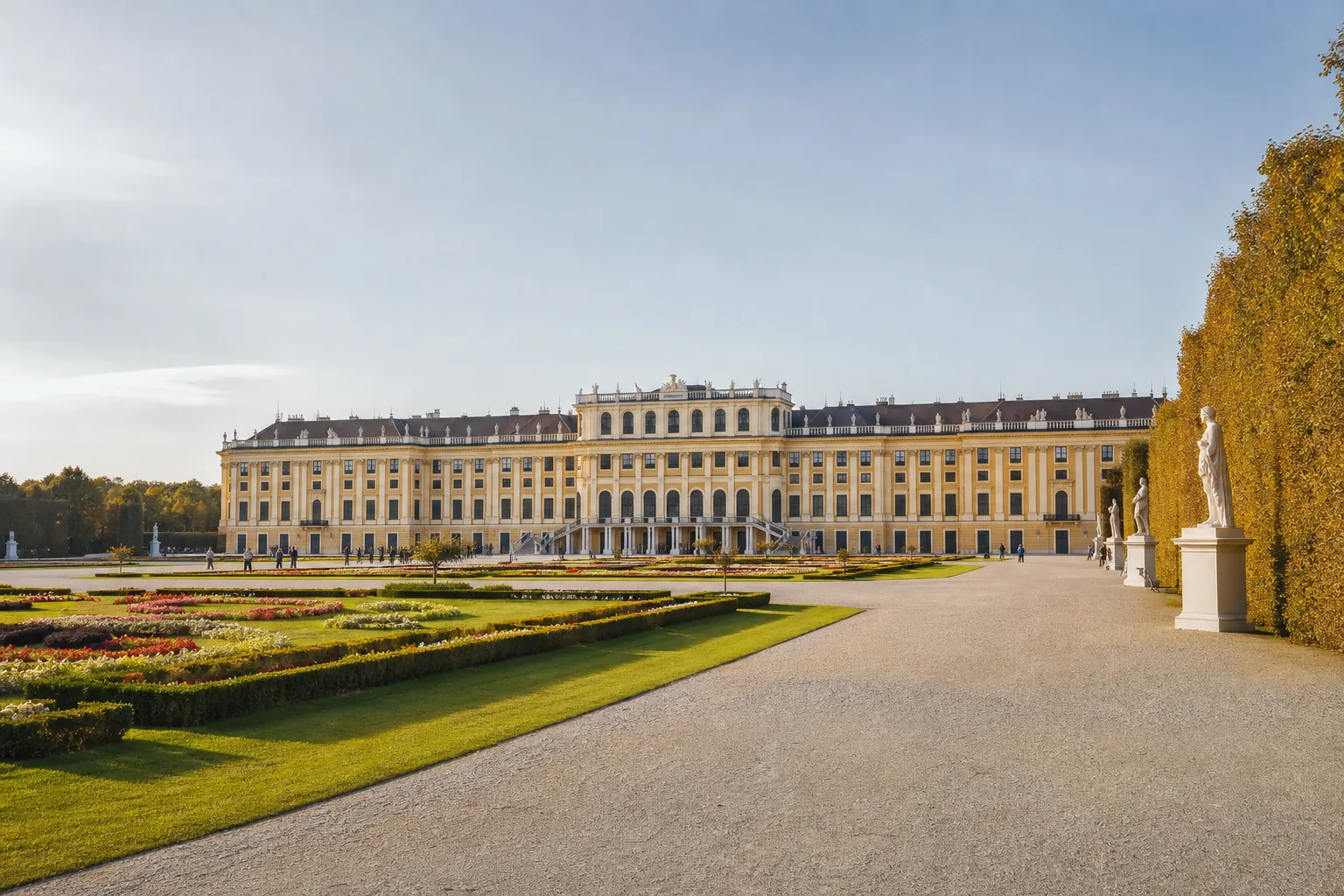
Keep the morning for Schönbrunn Palace. Even without a long interior tour, the gardens, Gloriette and grand sightlines make the journey worthwhile. Then head to Neubau and explore Spittelberg, Kirchengasse and the courtyards around MuseumsQuartier. Independent shops and small restaurants reveal a more informal Vienna. Café Jelinek and Vollpension offer characterful alternatives to the grand tourist cafés.
Day 3: Belvedere, Karlsplatz & Naschmarkt
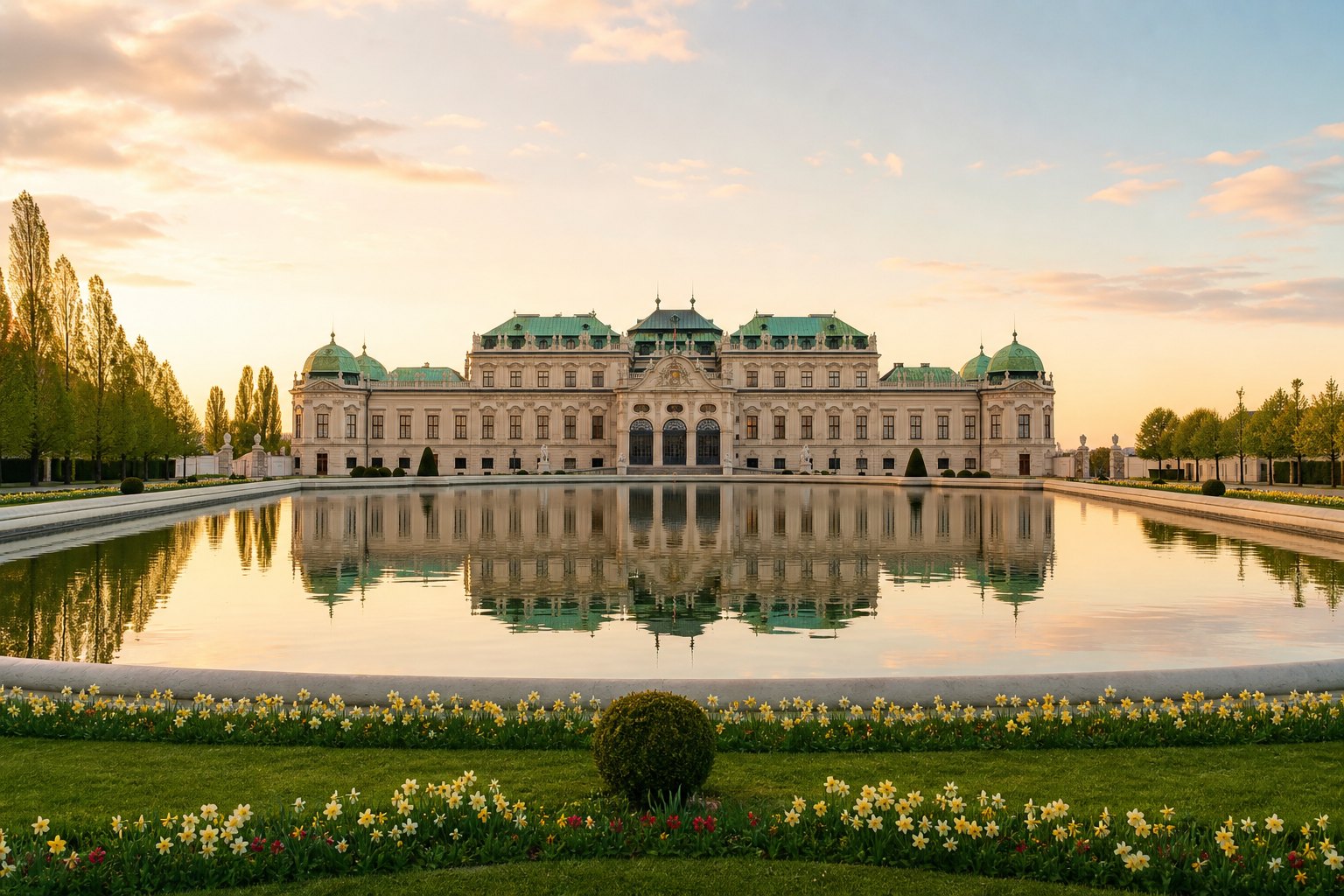
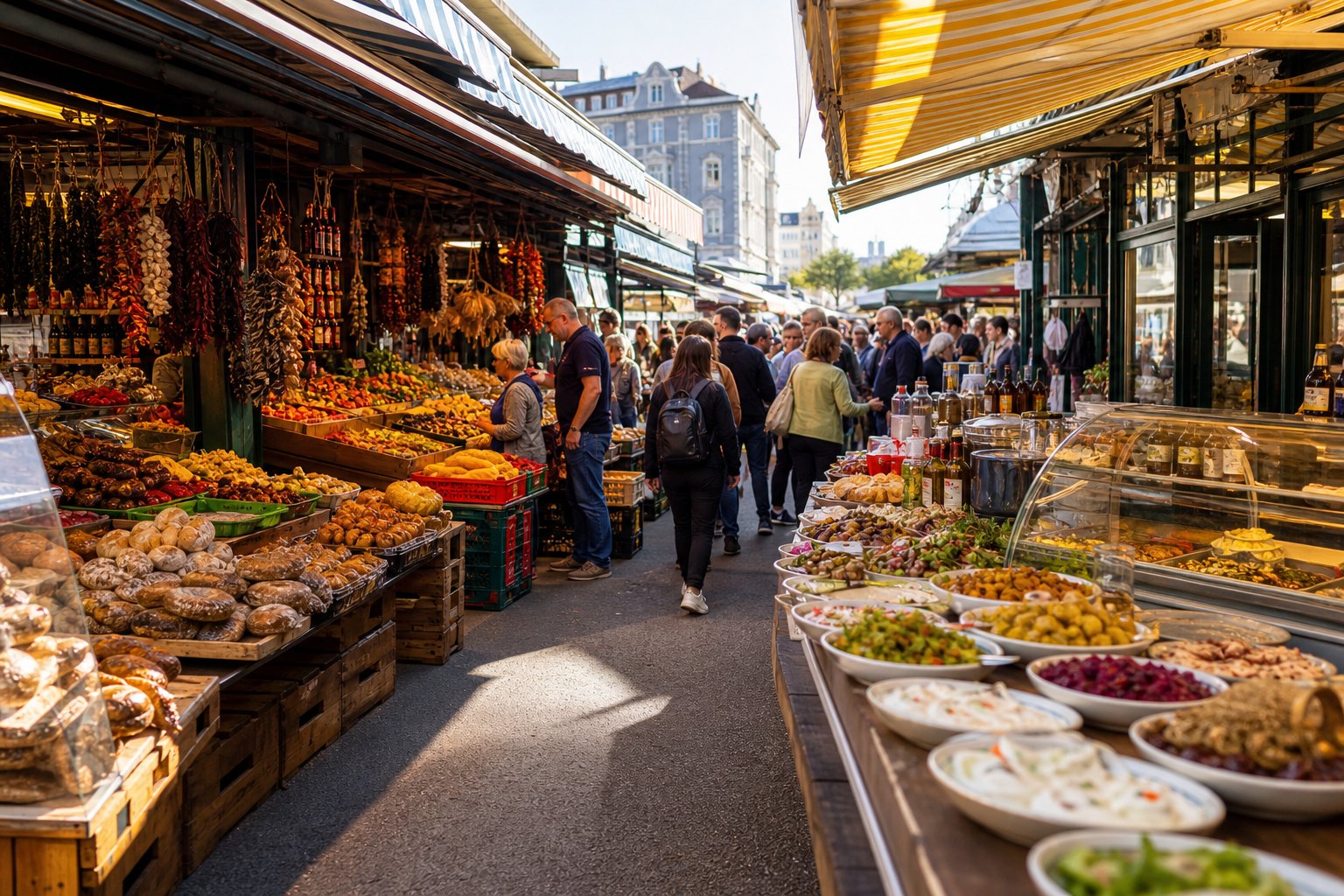
At the Upper Belvedere, baroque architecture meets a major art collection. Walk via Schwarzenbergplatz to Karlskirche, then continue towards Naschmarkt. Compare prices: it is both a produce market, restaurant strip and visitor attraction. Plachutta is famous for Tafelspitz, while weekday lunch menus at traditional restaurants beyond the prime tourist streets are often better value.
Day 4: Coffeehouses & real neighbourhoods
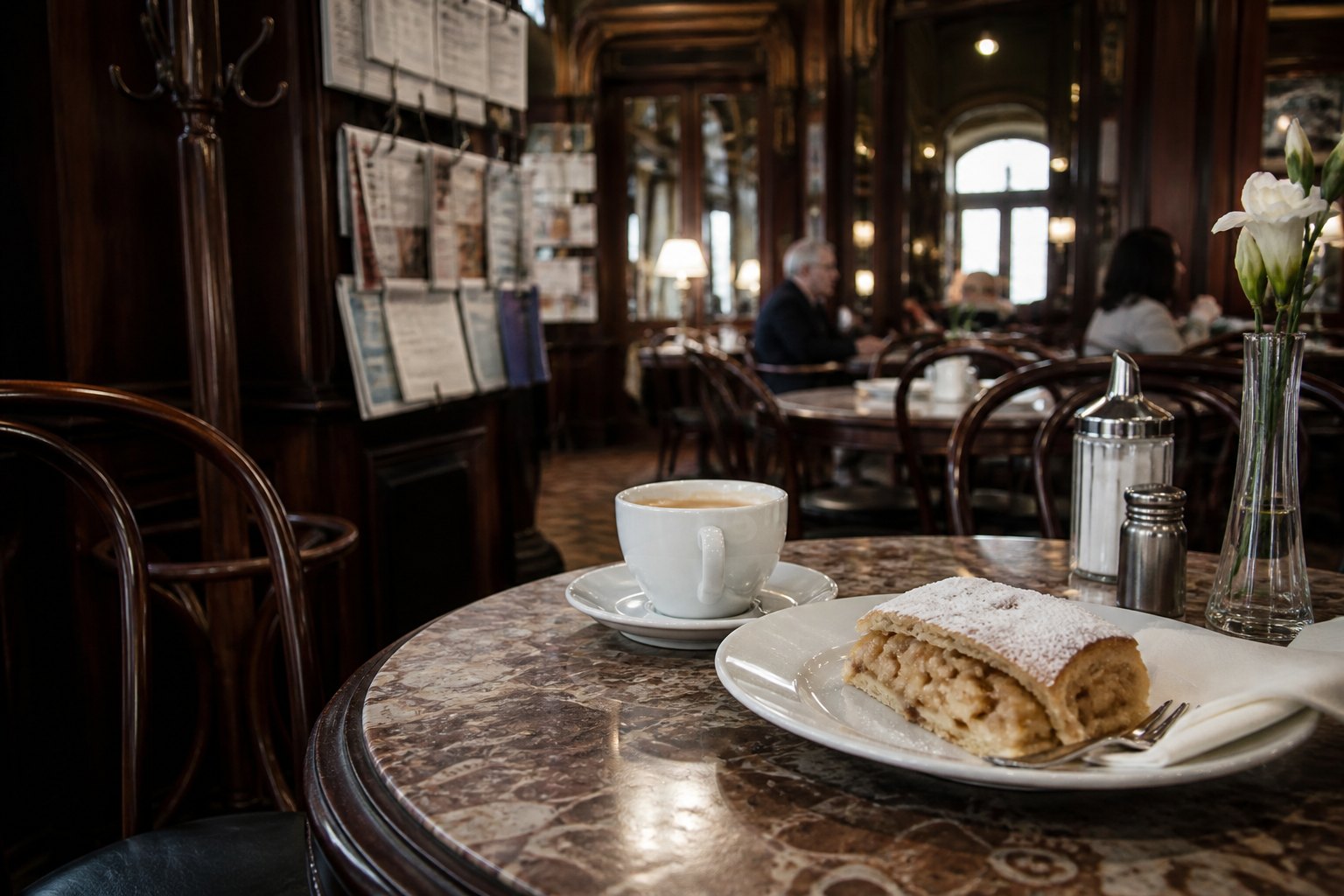
A Viennese coffeehouse is not a quick takeaway stop. Order a Melange, slow down and try apple or curd-cheese strudel. Café Sperl, Café Jelinek and Demel each have a distinct atmosphere; Café Central is impressive but often has queues. Explore Karmeliterviertel, Servitenviertel or Yppenplatz afterwards. For sunset, choose the Danube Canal, Prater or a Heuriger wine tavern on the city edge.
Where to stay
- Innere Stadt: shortest distances and grand surroundings, but usually expensive and touristy.
- Neubau: creative, restaurant-rich and close to MuseumsQuartier.
- Wieden: elegant, well connected and practical for Belvedere and Naschmarkt.
- Leopoldstadt: greener and relaxed, close to Prater and the Danube Canal.
- Josefstadt: quiet local atmosphere with useful tram connections.
Food & affordable groceries
Beyond schnitzel and Tafelspitz, look for goulash, dumplings, Beisl cooking and pastries. Check opening hours directly with each venue. For water, breakfast and picnics, Hofer and Lidl tend to be budget friendly; Billa and Spar are widely available. Brunnenmarkt and Karmelitermarkt feel more everyday than souvenir-focused areas.
Daily budget per person
- Budget: €80–120 – hostel/simple room, groceries, affordable lunch menu.
- Comfortable: €150–250 – good hotel, restaurant meals and museums.
- Upscale: from €300 – central stay, fine dining and more cultural tickets.
These are approximate ranges excluding travel to Vienna and vary by season.
Public transport & airport transfer
You do not need a car in central Vienna. Wiener Linien tickets cover U-Bahn, trams and buses within the city zone; check the latest fare and validation rules before travelling. From the airport, S7 and Railjet trains are often the value choices. The City Airport Train is heavily marketed and convenient for some journeys, but usually costs more. Compare your destination station, total travel time and current fare.
Safety
Vienna is generally straightforward to visit. Keep bags and phones secure at stations, on crowded transport and around major landmarks. At night choose well-lit routes, watch your drink and check the last connection. The European emergency number is 112. Consult official authorities for current alerts.
Reliable planning
Opening hours, construction and fares change. Recheck details with the official Vienna Tourist Board and Wiener Linien shortly before your visit.