
One country, many journeys
Metropolises, coastal highways, Southern food and national parks: a practical guide to turning enormous distances into one coherent trip.
The single most useful US travel tip: do not attempt everything at once. Choose one region, build in breathing room and combine no more than two major landscapes.
14–21 days per region
Spring and fall, adjusted by region
City transit, rental cars and selective flights
US dollar; displayed prices often exclude tax
Several time zones affect flights and drives
Fewer stops, 2–4 nights per base
Three rewarding 14-day itineraries
East Coast, no car
New York 5 nights · Philadelphia 2 · Washington, D.C. 3 · Boston 3–4.
A strong mix of architecture, museums, history and food. Rail and intercity buses work well; a car is more burden than benefit downtown.
California coast
San Francisco 4 nights · Monterey/Big Sur 2–3 · Los Angeles 4 · San Diego 3.
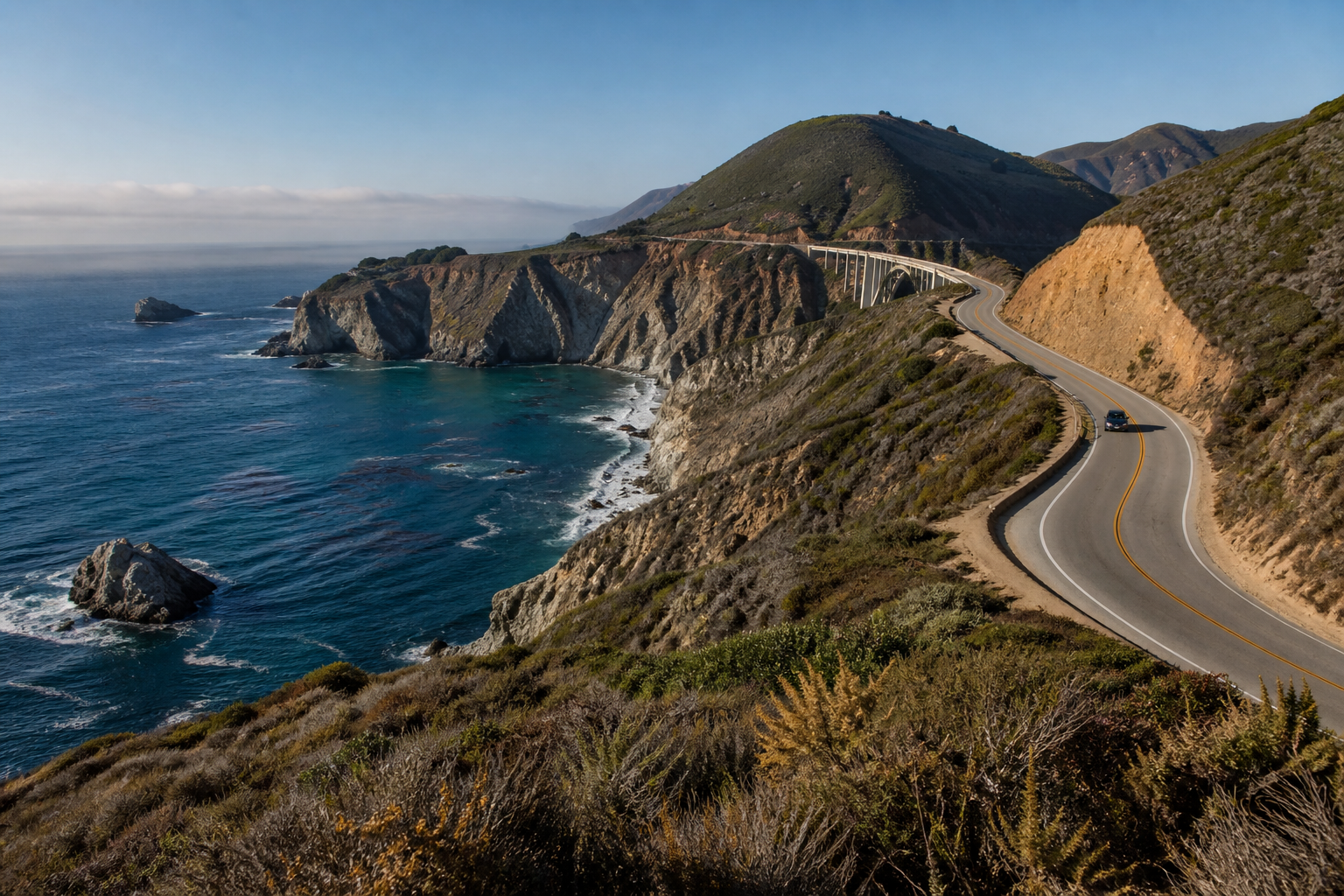
Leave time for fog, road works and possible Highway 1 closures. Compare one-way fees and city parking before booking.
Southwest canyons
Las Vegas 2 nights · Zion 2 · Bryce 1 · Page 2 · Grand Canyon 2 · Sedona 2 · Phoenix 1–2.
Start early, treat heat seriously, and allow time beyond viewpoints. Check seasonal reservations and timed-entry rules well ahead.
Which region fits your trip?
Northeast
New York, Boston, Philadelphia and Washington combine world-class cities, history and museums. Fall foliage draws crowds to New England, so book early.
The South
New Orleans, Charleston, Savannah, Nashville and the Gulf Coast offer distinctive music and food cultures. Summers are humid; watch forecasts and flexible-booking terms during hurricane season.
West Coast
California combines cities, Pacific coast and desert. Oregon and Washington are greener, quieter and excellent for nature-led road trips.
Southwest
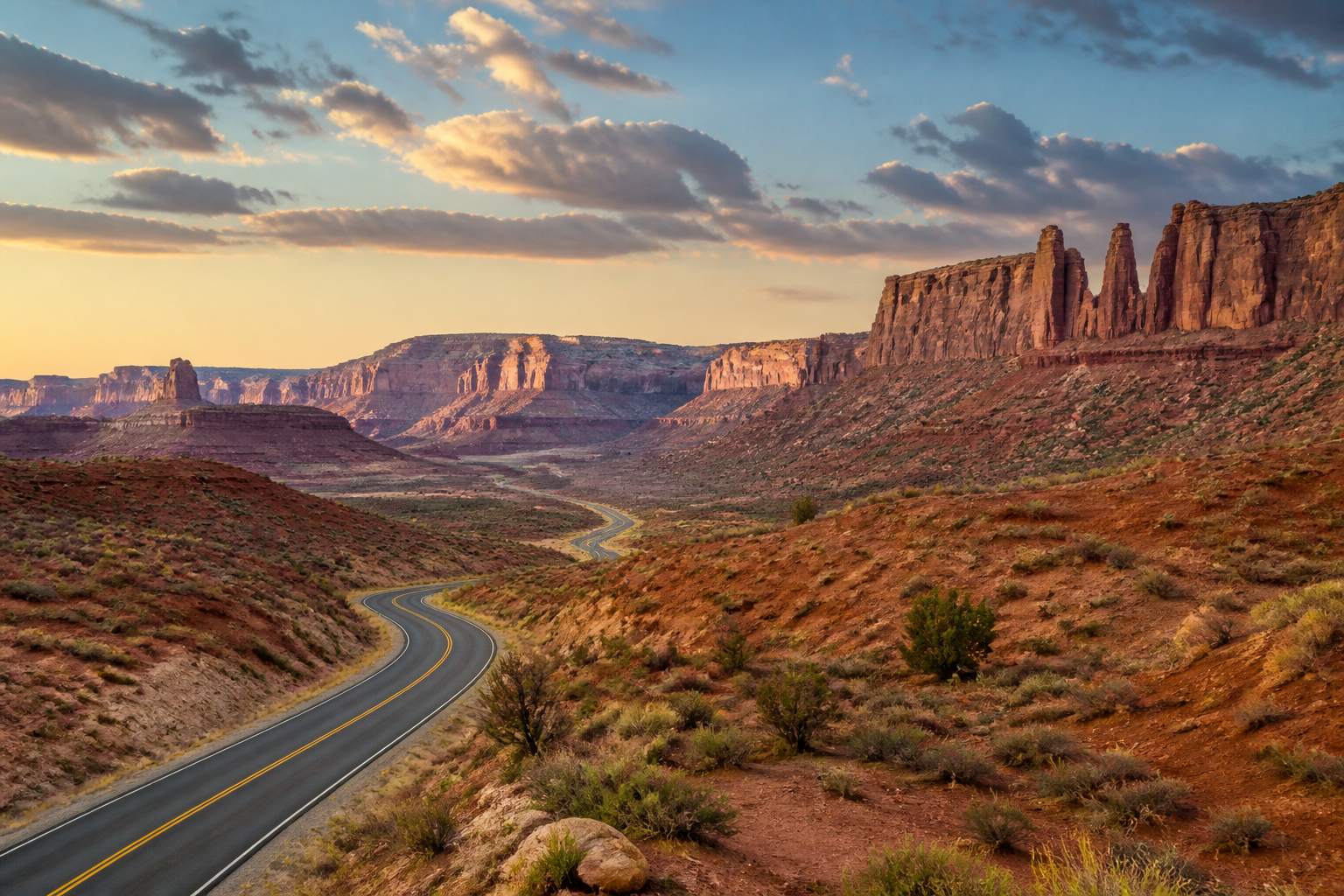
Utah, Arizona, Nevada and New Mexico hold the iconic canyon scenery. Summer heat can be dangerous; spring and fall are generally easier.
Rockies & national parks
Yellowstone, Grand Teton, Glacier and Rocky Mountain require real drive time, weather buffers and early lodging plans.
Alaska & Hawaii
Treat each as a separate trip. Alaska needs logistical and weather buffers; Hawaii works best when you choose islands deliberately instead of rushing between them.
When to go
| Season | Best for | Watch for |
|---|---|---|
| March–May | Cities, California, Southwest | Snow at elevation and Spring Break dates |
| June–August | Alaska, Rockies, Northwest, coasts | Southwest heat, crowds, regional wildfire and hurricane risk |
| September–October | Road trips, parks, New England | Book foliage season early; first snow is possible |
| November–February | South, deserts, winter cities, skiing | Short days, winter storms and closed mountain roads |
Transport that actually works
In cities
New York, Washington, Boston, Chicago and San Francisco are well suited to transit and walking. Official local transit apps are best for service changes and current fares.
Rental car
Usually best for parks and rural regions. Check liability cover, one-way fees, additional drivers, toll systems, fuel policy and parking. Never leave luggage visible.
Between regions
Domestic flights save time over vast distances. Rail is useful in the Northeast Corridor; elsewhere it is often a scenic experience rather than the fastest option.
Eat regionally
- New York: bagel shops, pizza slices, delis and food halls.
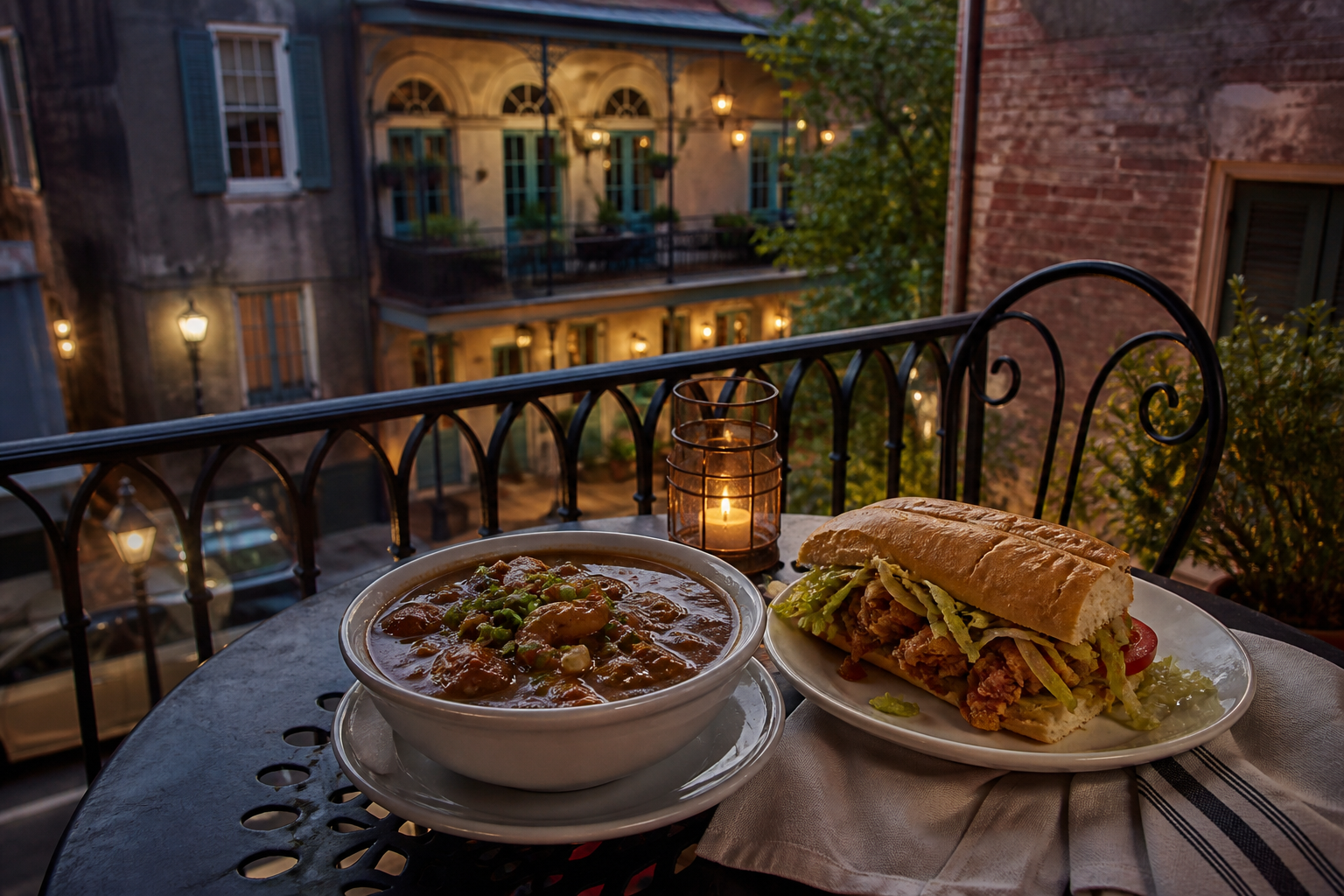
- New Orleans: gumbo, po’boys, jambalaya and beignets; reserve famous restaurants or arrive off-peak.
- Texas & Tennessee: regional barbecue; order by weight and arrive early at popular smokehouses.
- California: taco trucks, farmers markets, Asian neighbourhoods and seasonal cooking.
- New England: seafood shacks, chowder and lobster rolls.
At full-service restaurants, roughly 18–22% tip is customary unless a service charge is already included. Check the bill: tax and gratuity may appear only at the final stage.
Affordable groceries
- Aldi and WinCo: often strong for budget basics; WinCo is regional.
- Walmart Supercenter: broad selection and useful before road trips.
- Kroger and regional brands: some discounts require a free loyalty account.
- Trader Joe’s: convenient snacks and simple meals, though not always cheapest for a full shop.
- Whole Foods and hotel shops: convenient, rarely budget choices.
Where to stay
| New York | Long Island City near a direct subway, Downtown Brooklyn, Upper West Side or Chelsea/Flatiron. Choose by actual transport and late-evening route, not straight-line distance. |
|---|---|
| Los Angeles | Santa Monica/Venice for the coast, Culver City for a central base, West Hollywood for restaurants, Pasadena for quieter evenings. Splitting the stay can save hours. |
| San Francisco | Nob Hill, Marina, North Beach and Hayes Valley suit many first visits. If driving, keep the car completely empty everywhere. |
| New Orleans | Warehouse District/CBD or Garden District make practical bases; in the French Quarter, check street position and noise reviews. |
| National parks | Stay inside or close to the entrance for sunrise and early trails. A cheaper room 90 minutes away can cost more in lost time. |
Safety changes block by block. Recent hotel reviews, official local advice and the exact evening route are more useful than sweeping neighbourhood labels.
Staying safe
- Keep valuables close and choose busy, well-lit streets at night.
- Never leave suitcases or camera bags visible in a vehicle, even at a quick viewpoint stop.
- In the Southwest, heat, dehydration and lost phone signal matter more than the number of miles.
- In parks, keep wildlife distance, respect closures and download offline maps.
- For an immediate police, fire or medical emergency, call 911.
Entry, money & health
- ESTA only applies to eligible Visa Waiver Program travellers; others may need a visa. Use official sources only.
- Cards are standard. Carry a second card separately; some fuel pumps request a ZIP code.
- Comprehensive travel medical insurance is especially important due to potentially high treatment costs.
- Sales tax is usually added at checkout and varies by place and product.
- An eSIM is convenient, but offline navigation remains essential in remote regions.
Official planning: National Park Service – Plan Your Visit · NPS – current passes and fees · U.S. Customs and Border Protection – ESTA. Recheck all requirements before travel.
City and road-trip packing list
Documents
Passport, travel authorisation, insurance details, driving licence and any international permit required by the rental company.
On the road
Offline maps, charging cables, power bank, US adapter, refillable bottle, small cooler and sun/rain protection.
Outdoors
Sturdy shoes, layers, headlamp, sunscreen, electrolytes and more water than the walking time alone suggests.
Frequently asked questions
Can I combine New York and California in two weeks?
Yes, with a domestic flight. A sensible first trip is five days in New York and nine in California without adding a separate Southwest parks loop.
How much driving per day is reasonable?
Usually two to four hours. One long transfer is fine; repeating it every other day makes the trip feel rushed.
Do I need a car everywhere?
No. Cars are costly and inconvenient in major cities. Pick one up when leaving the city and return it before the next major urban stay.
How can I save on national parks?
Compare current individual fees with the appropriate official pass, book early and review non-resident rules. A pass does not automatically replace reservations or timed entry.
Do I need cash?
A small reserve is useful, but cards cover almost everything. Some machines, toll systems and small businesses have specific requirements.
The best US trip does not feel huge. It feels well chosen.
Pick one route, leave breathing room between stages and plan memorable experiences before raw mileage.
CitiesRoad tripsNational parksFood