
SAMOA · UPOLU · SAVAIʻI · SOUTH PACIFIC
Samoa
Lagoons, lava fields and faʻa Samoa – an island journey built around time, respect and realistic stages.
At a glance
Best time
May–October is generally drier. November–April is cyclone season, with the heaviest rain often December–March.
Trip length
Allow 10–14 days for Upolu and Savaiʻi, building Sundays and ferry timing into the route.
Budget
Beach fales, markets, local buses and casual cafés make Samoa relatively accessible.
Getting around
Drive on the left. Use a rental car for island circuits, buses for slow travel and the ferry between main islands.
Upolu: Apia, waterfalls and the south coast
Allow five to six nights. In Apia, visit the markets, Samoa Cultural Village, Museum of Samoa and Robert Louis Stevenson Museum. An island circuit links Piula Cave Pool, To Sua Ocean Trench, Lalomanu and waterfalls. Many natural sites collect small access fees in cash.
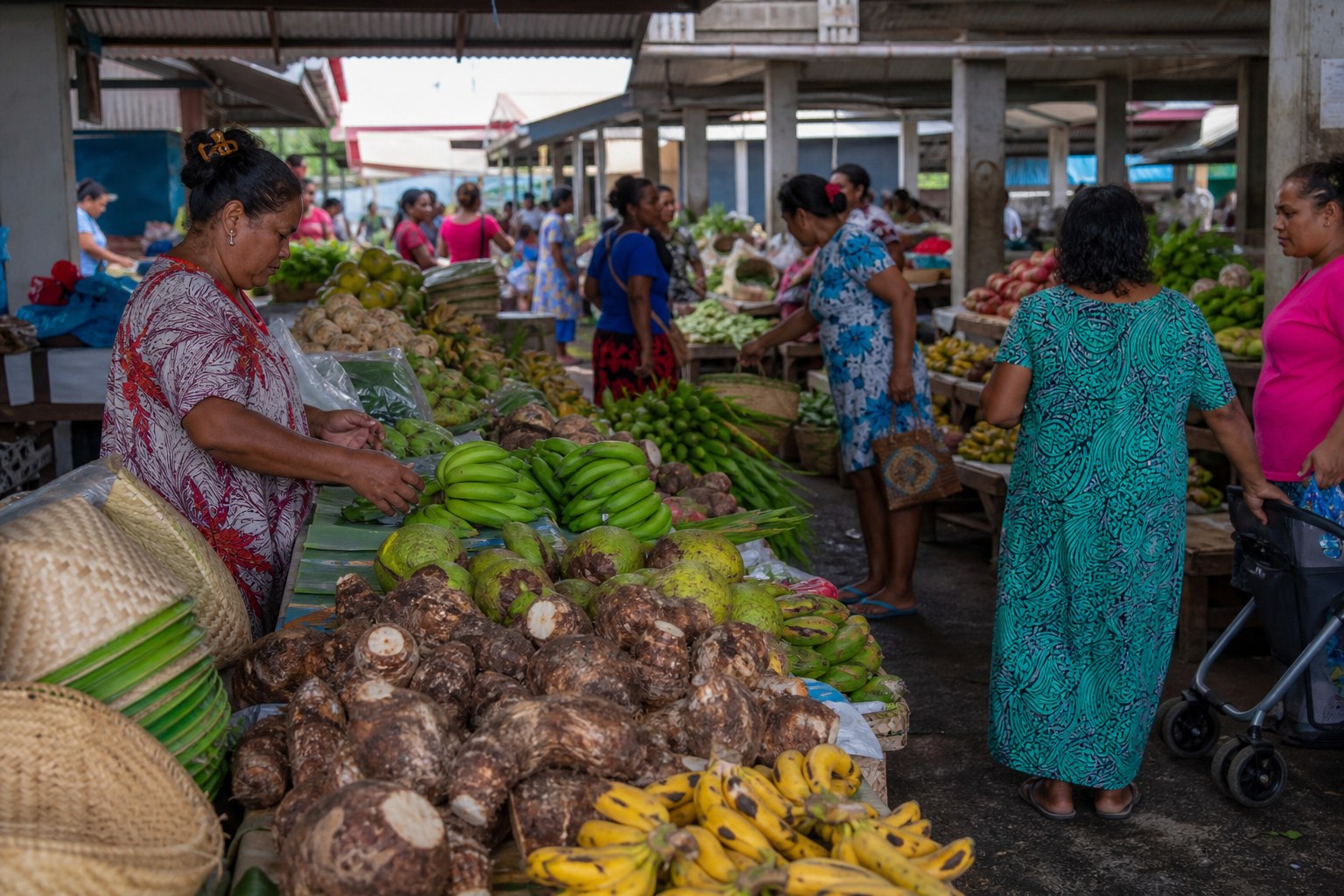
Food and supplies in Apia
Try oka iʻa, palusami, taro, breadfruit and food from an umu. Fugalei Market works for fruit and snacks. Farmer Joe and Frankie Supermarket are practical anchors for water, breakfast and picnic supplies.
Restaurant anchors: Paddles and Giordano’s are familiar names, alongside casual cafés and takeaways. Always reconfirm hours, particularly on Sundays.
Cash remains useful for markets, buses, nature fees and smaller accommodation.
Experience faʻa Samoa respectfully
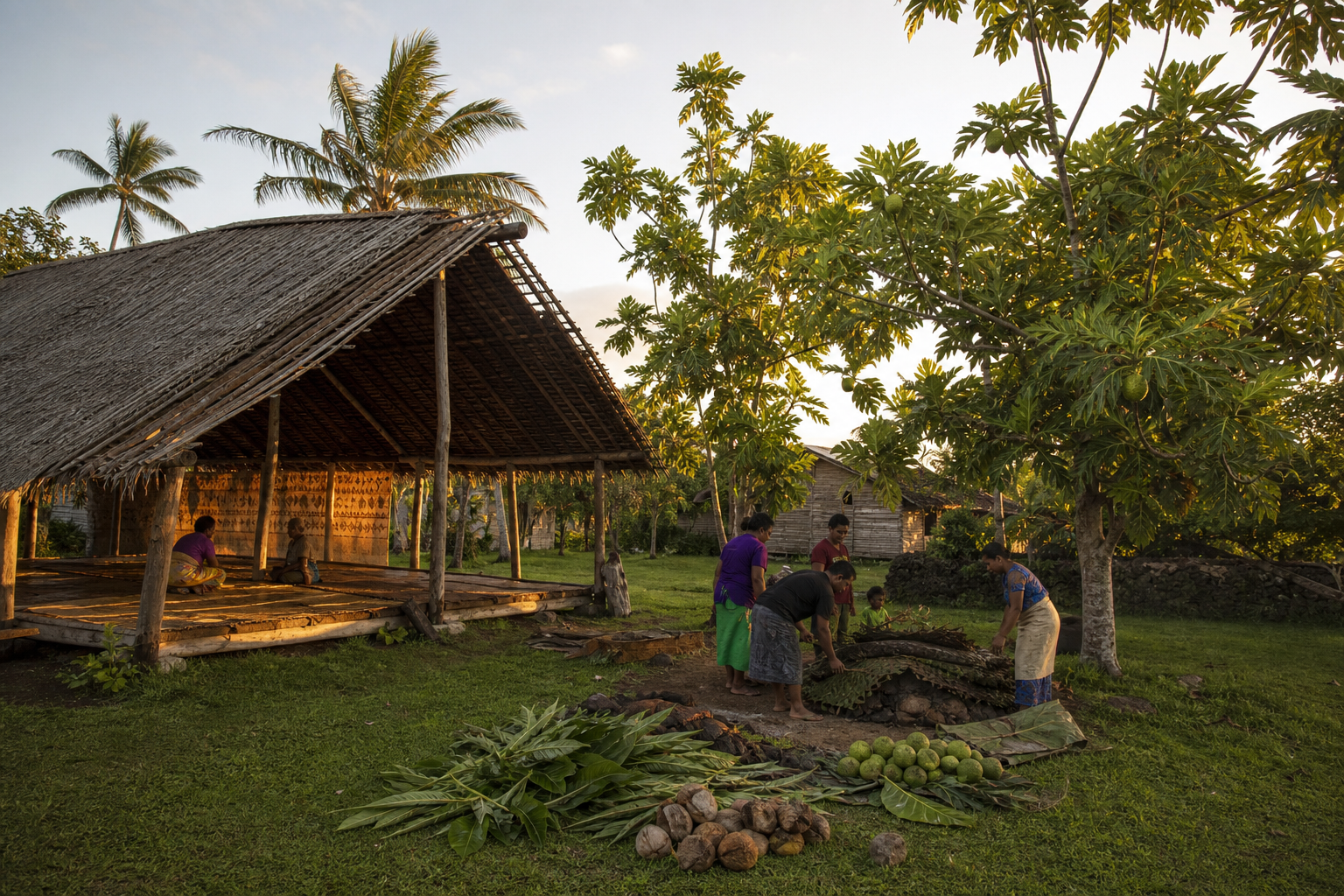
Villages are not scenery. Cover shoulders and knees, ask before photographs and follow local signs. Quiet may be expected during evening prayer time. Sunday is widely a family and church day, with reduced transport, shopping and activities.
A fiafia night or Samoa Cultural Village offers an appropriate introduction to dance, crafts and umu cooking without intruding on private ceremonies.
Savaiʻi: lava, coast and beach fales
Four to five nights give the larger, quieter island room. The ferry runs between Mulifanua and Salelologa and takes roughly 60–90 minutes; reserve vehicles early and respect check-in times.
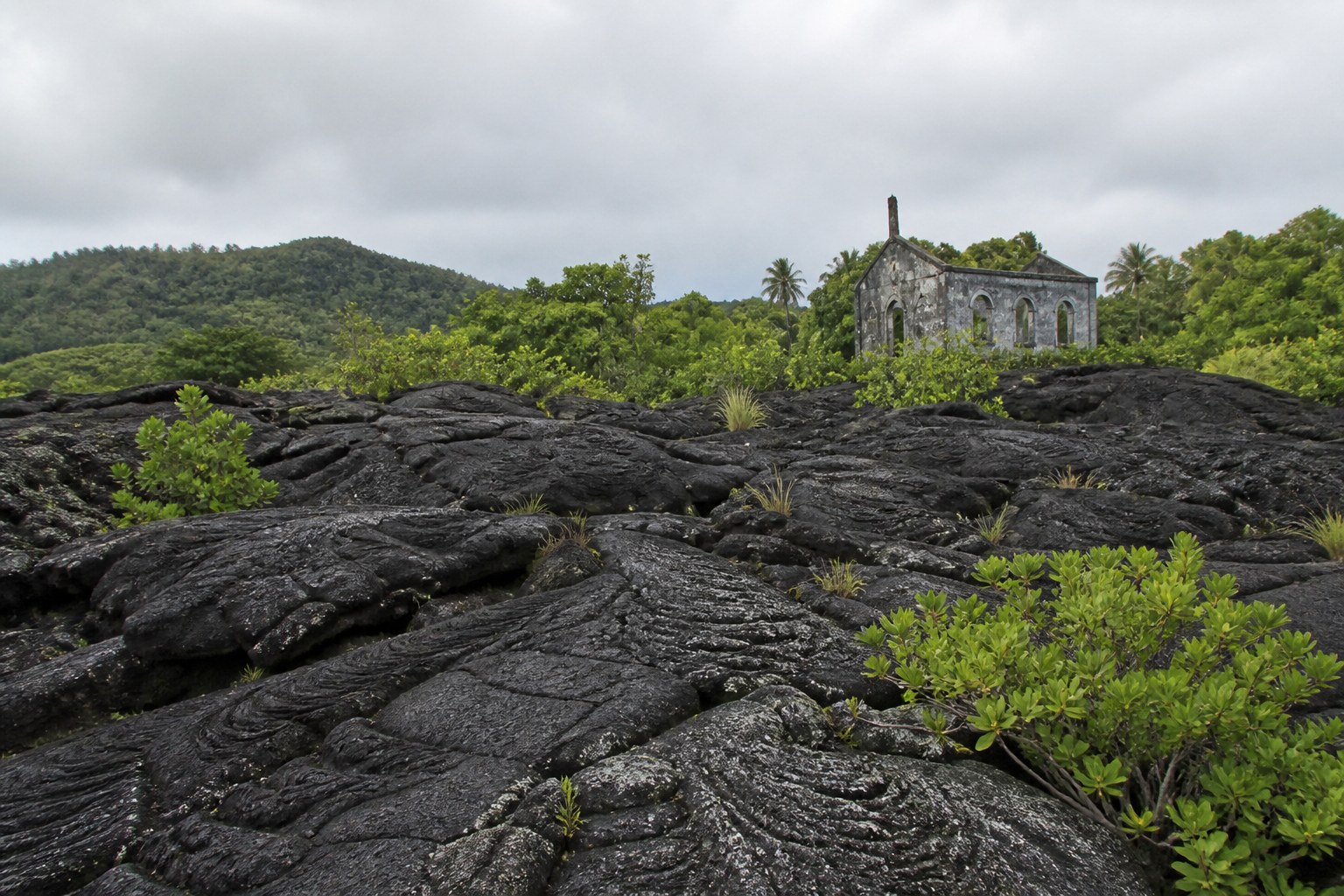
Combine Saleaula Lava Fields, Alofaaga Blowholes, Afu Aau Waterfall and the Manase coast without cramming every stop into one day. Beach fales provide a simple coastal stay – confirm mosquito nets, bathroom standard and included meals.
12-day sample route
- Apia – 3 nights: market, culture, museums and Papaseʻea Sliding Rocks.
- Upolu south coast – 3 nights: To Sua, Lalomanu, waterfalls and a weather-buffer day.
- Savaiʻi – 5 nights: lava field, blowholes, waterfall, Manase and quiet coast time.
- Upolu – 1 buffer night: protect the international connection.
Costs and practical planning
- Currency: Samoan tala (WST). ATMs are concentrated around Apia and Salelologa; carry a cash reserve.
- Access fees at natural sites are normal and support local families.
- Confirm ferries, vehicle space and stays early around public holidays.
- Beach fales are affordable but intentionally simple; do not compare them with resort standards.
Safety and health
- Lagoon passes and tides can create powerful currents; swim only where locally recommended.
- From November to April, monitor cyclone and weather alerts; flooding can affect roads.
- After a strong earthquake, leave coastal areas and move to higher ground.
- Avoid night driving where possible: roads are poorly lit and children, dogs or livestock may enter the road.
- Avoid stray or aggressive dogs and seek immediate medical advice after bites.
- Plan mosquito protection, safe drinking water and insurance including medical evacuation.
- Do not leave valuables unattended and carry only the cash required for the day.
Official planning
UK travel advice: Samoa ↗ · Samoa Tourism: ferry ↗ · Samoa Tourism: budget ↗