
NEW ZEALAND · AOTEAROA · OCEANIA
New Zealand
Auckland, Rotorua, fiords and alpine roads — two islands that reward time.
At a glance
Best time
November–April for road trips and hiking. December–February is busiest; spring and autumn are quieter but changeable.
Ideal duration
At least three weeks for both main islands. With two weeks, explore one island properly.
Getting around
Drive on the left. Roads are long and winding, and weather changes quickly, so allow more time than distances suggest.
North Island
Spend two to three days around Auckland’s waterfront, volcanic viewpoints and Waiheke ferry before travelling to Rotorua, Taupō and Tongariro. In Rotorua, use Māori-led cultural experiences and stay within marked geothermal areas. For the Tongariro Alpine Crossing, booking, shuttle planning and a daily weather check are recommended.
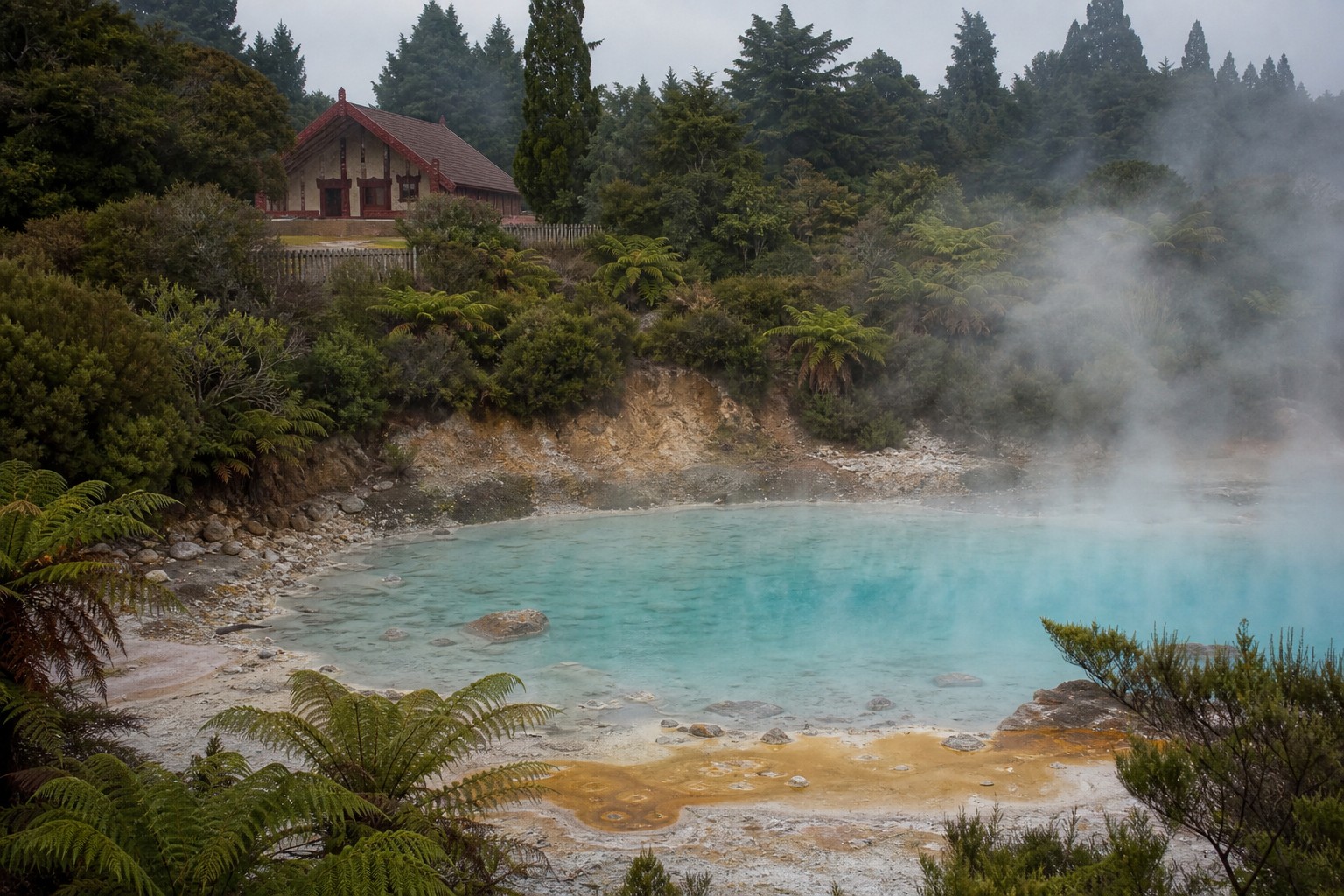
Geothermal landscapes & culture
Rotorua combines steaming springs, lakes, forests and living Māori communities. Stay two or three nights and choose operators that share culture with local leadership and context.
Geothermal ground can be dangerous even where it appears stable; barriers and local instructions matter.
South Island & Fiordland
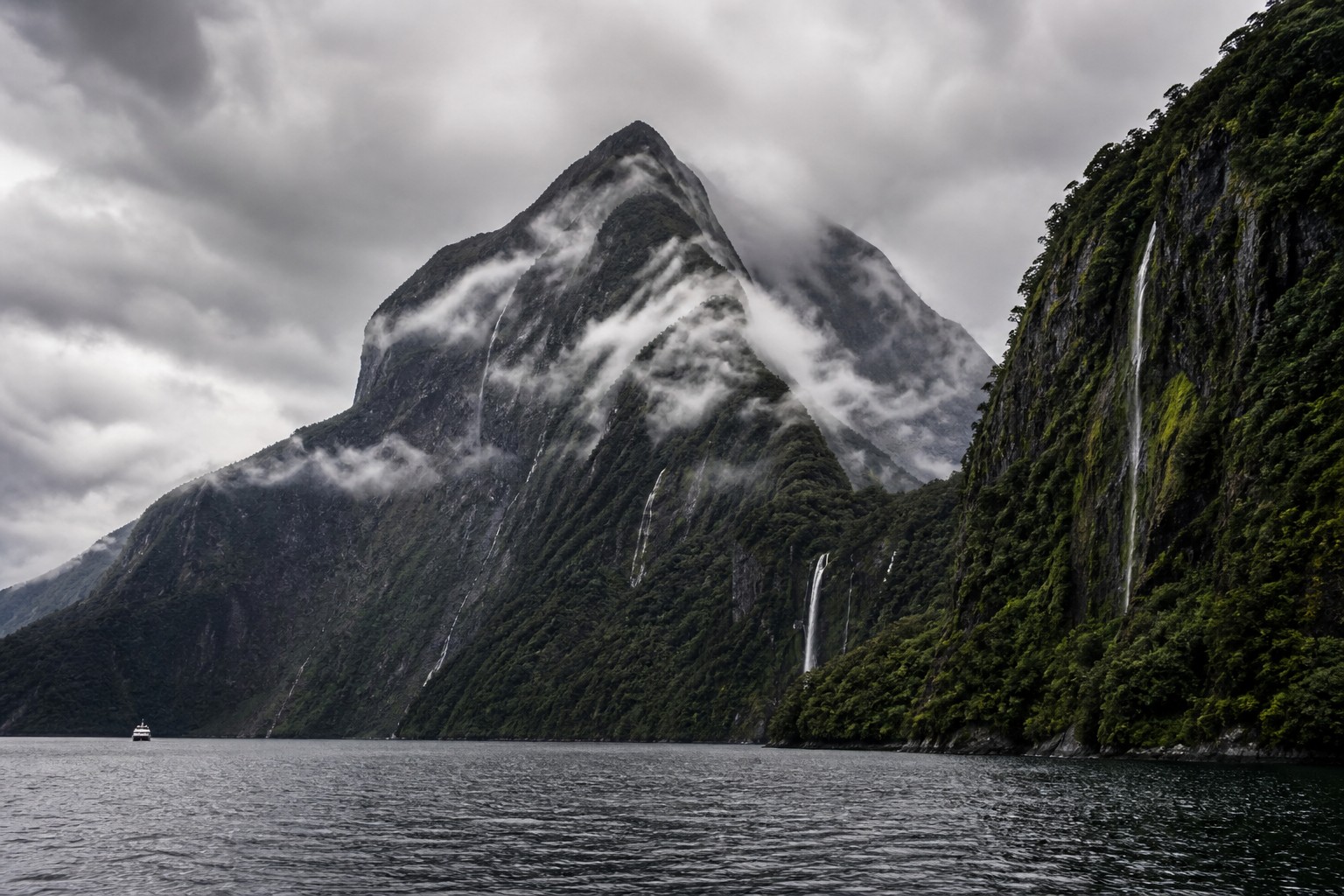
Christchurch, Aoraki/Mount Cook, Wānaka, Queenstown and Te Anau form a strong route. Milford Sound/Piopiotahi is dramatic in rain, while weather can close roads and tracks.
Book Great Walk huts and campsites early through the Department of Conservation. During the Great Walk season the Milford Track requires valid hut and transport bookings.
21-day sample route
- Auckland — 3 nights
- Rotorua — 3 nights
- Tongariro/Taupō — 3 nights
- Fly to Christchurch — 1 night
- Aoraki/Mount Cook — 3 nights
- Wānaka/Queenstown — 4 nights
- Te Anau/Fiordland — 4 nights
Food, supermarkets & budget
Try seafood, green-lipped mussels, hāngī through authentic Māori providers, lamb, pies and seasonal produce. Woolworths, New World and Pak’nSave are widespread; Pak’nSave is often cheaper. Accommodation, cars, fuel and activities make New Zealand expensive.
Safety & nature
- Practise left-side driving, avoid long drives after overnight flights and understand one-lane bridges.
- Check weather, avalanche, volcanic and track alerts daily; mobile coverage is absent in many regions.
- Know earthquake and tsunami procedures and local evacuation routes.
- Leave nothing visible in vehicles at tourist parking areas.
- Declare all food and outdoor equipment for strict biosecurity checks.
Your journey. Your story. Your horizon.
Aotearoa rewards slow travel, respect and generous weather margins.