
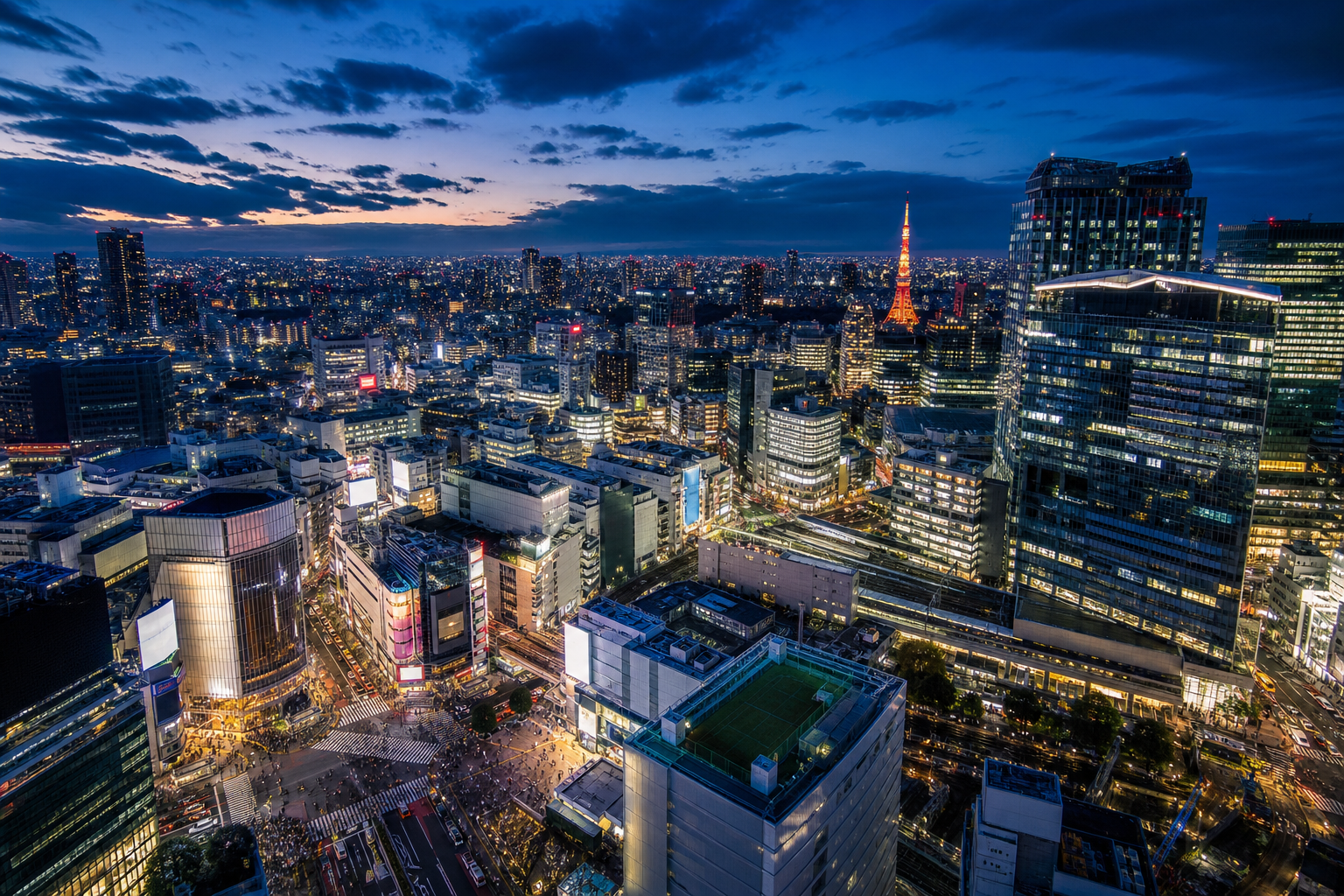
MY HORIZON DIARY · JAPAN
Between neon lights and quiet gardens
The complete guide to your first—and certainly not your last—journey through Japan.
Japan at a glance
Japan rewards curiosity: megacities and mountain villages, precise trains and slow ryokan stays, avant-garde art and centuries-old rituals sit remarkably close together. This guide balances the classics with quieter stops—and leaves enough time for genuine encounters.
14–21 days
Ideal for a first trip without packing every morning.
Spring & autumn
Comfortable weather; blossom and foliage seasons are especially popular.
Japanese yen
Cards are common, but carrying some cash is still useful.
Rail & IC card
The easiest combination for cities and long-distance travel.
The perfect 14-day itinerary
Fewer bases, greater depth: this route connects naturally by rail and is easy to extend.
Days 1–4 · Tokyo
Shibuya and Shinjuku for energy; Yanaka or Kiyosumi-Shirakawa for neighbourhood life; add a market and a day trip to Kamakura.
Days 5–6 · Hakone or Fuji
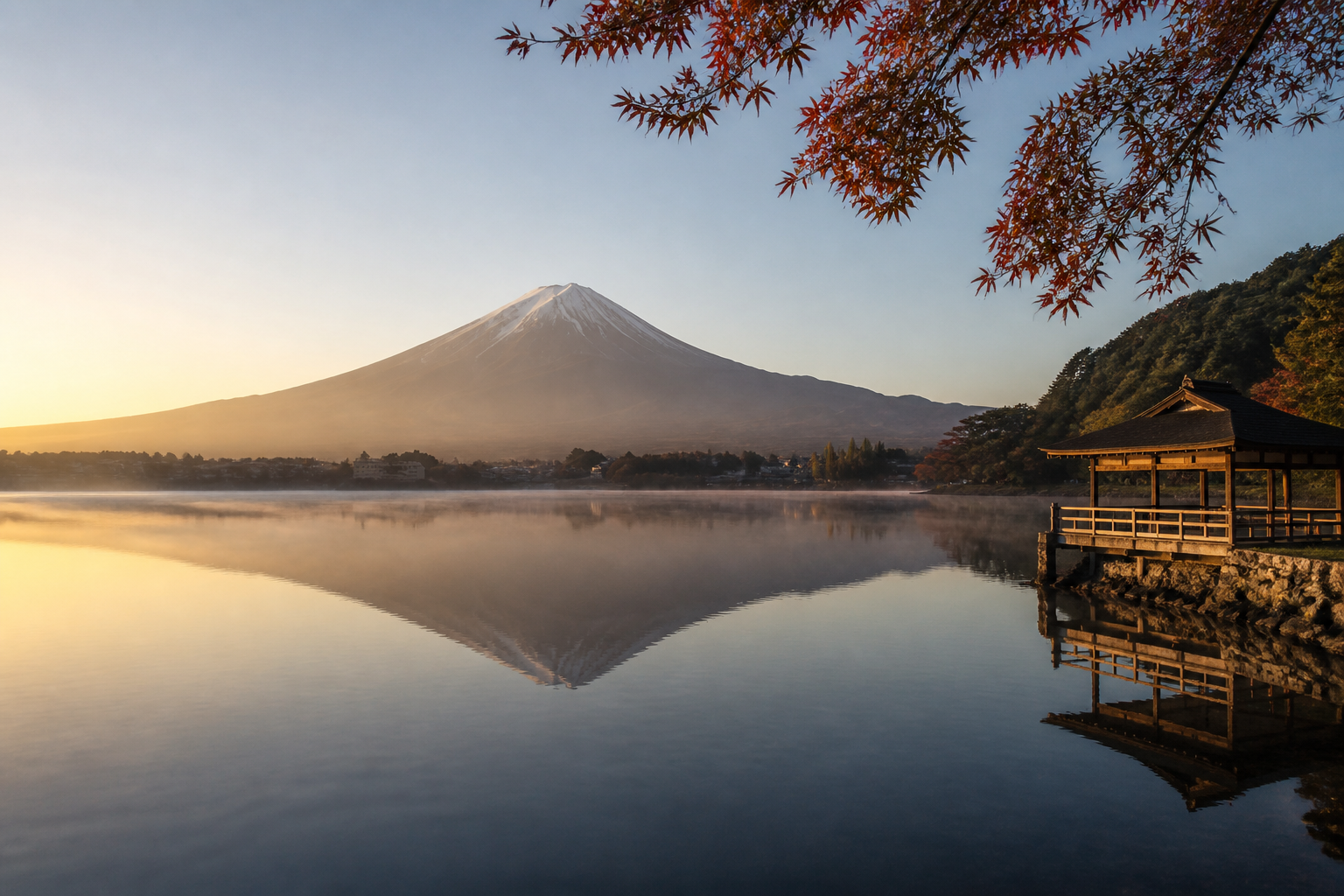
Onsen, mountain air and—on a clear day—views of Mount Fuji. Make one of these days deliberately slow.
Days 7–10 · Kyoto & Nara
Visit temples and gardens early, then explore small lanes, workshops and local kitchens. Nara makes an easy day trip.
Days 11–14 · Osaka, Hiroshima & Miyajima
Osaka’s food culture, Hiroshima’s history and a calm finale beside the Seto Inland Sea.
With 21 days: add Kanazawa and Takayama, Koyasan, or two island nights in Setouchi. Hokkaido and Kyushu work best as dedicated journeys.
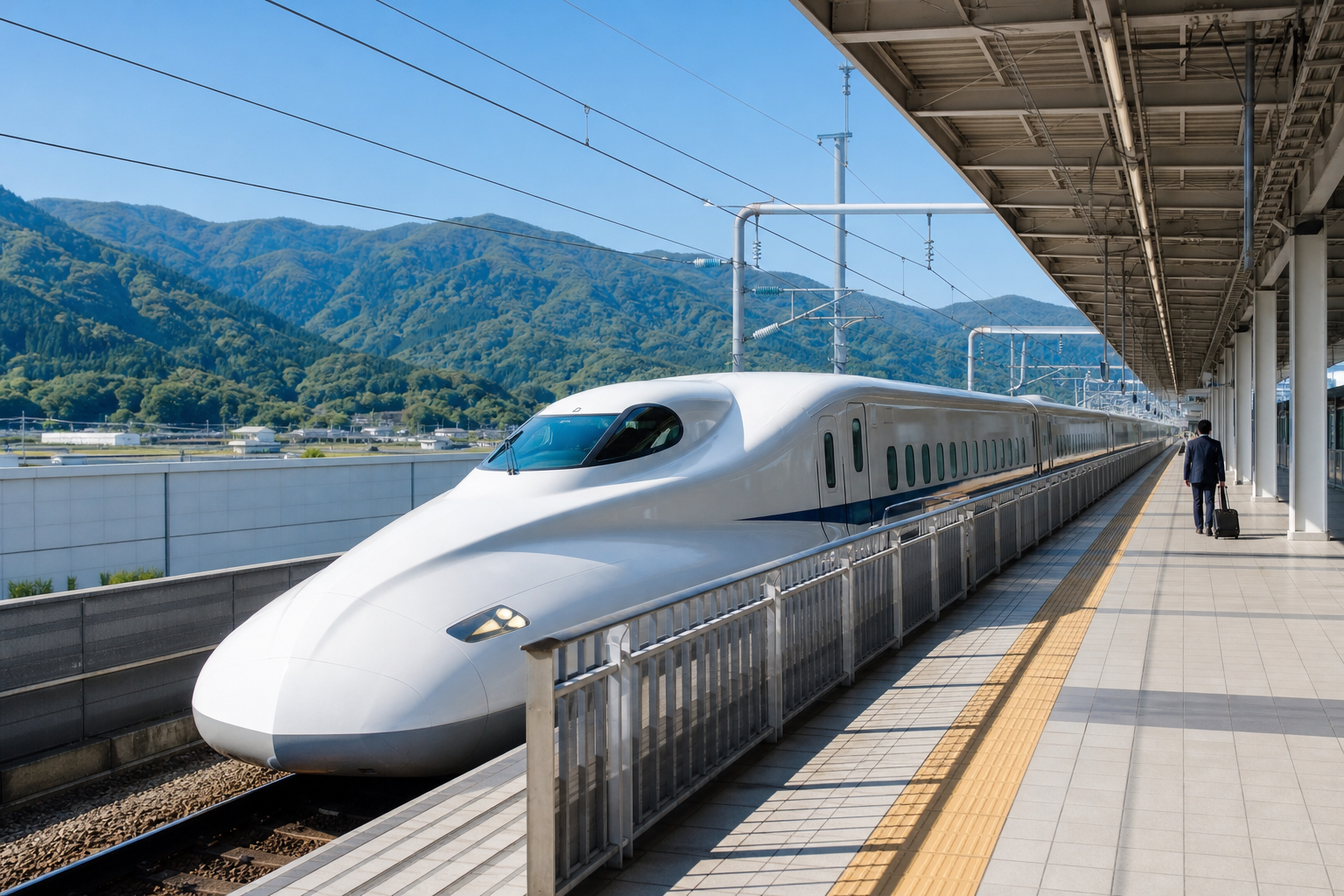
Regions that shape Japan
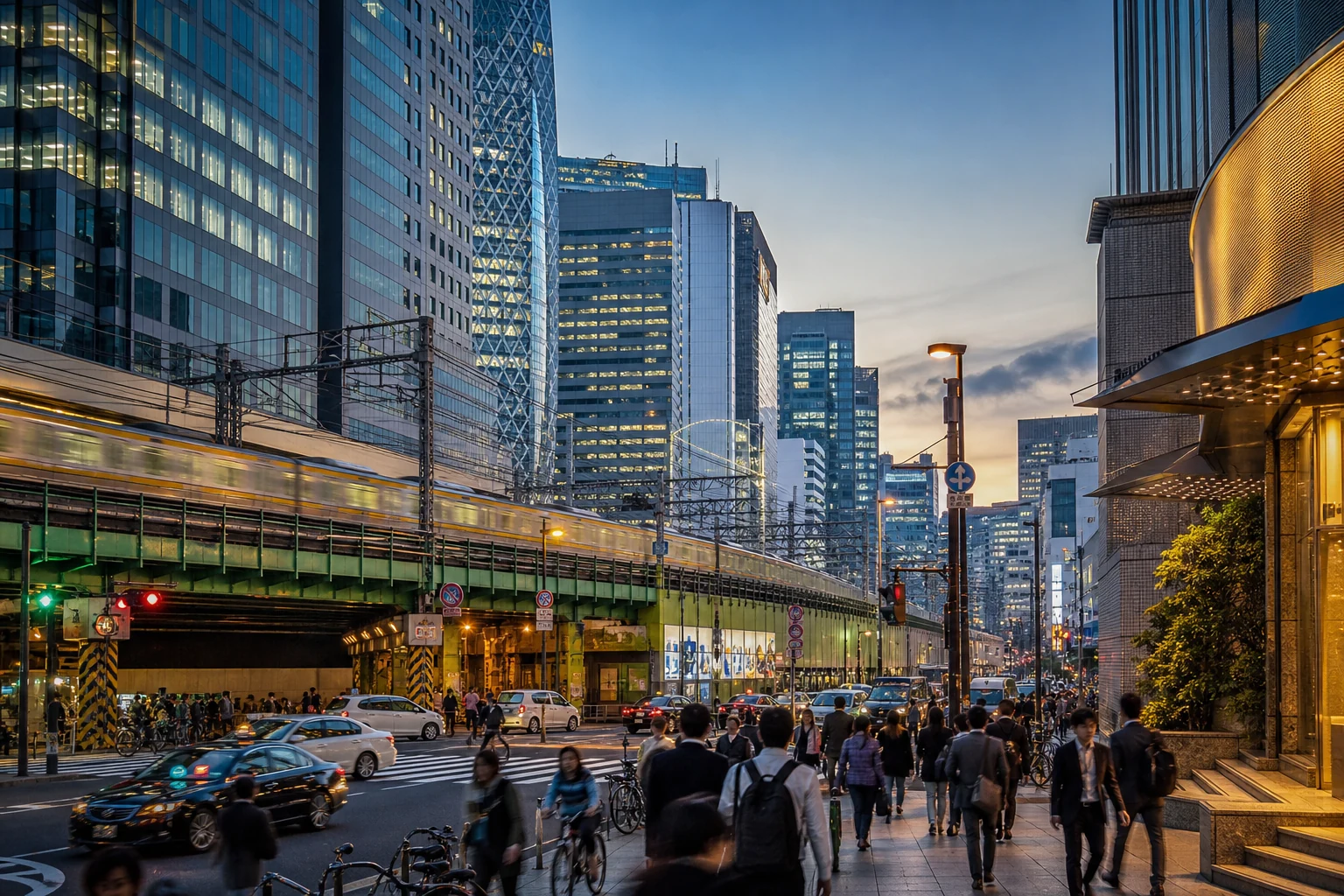
Tokyo & Kanto
Architecture, design, pop culture and quiet shrines. Allow at least four nights and explore neighbourhoods rather than racing through sights.
Kyoto & Kansai
Temple gardens, tea, craft and kaiseki. Osaka provides an extroverted, delicious counterpoint.
Japanese Alps
Kanazawa, Takayama and mountain valleys combine timber architecture, markets, onsen and hiking.
Hiroshima & Setouchi
Remembrance, island art, cycling and quiet coasts—ideal when you need space after the major cities.
Hokkaido
National parks, snow, volcanoes and distinctive regional food. Its distances deserve a separate itinerary.
Kyushu & Okinawa
Volcanoes, hot springs and subtropical islands. A rental car or domestic flight can be worthwhile here.
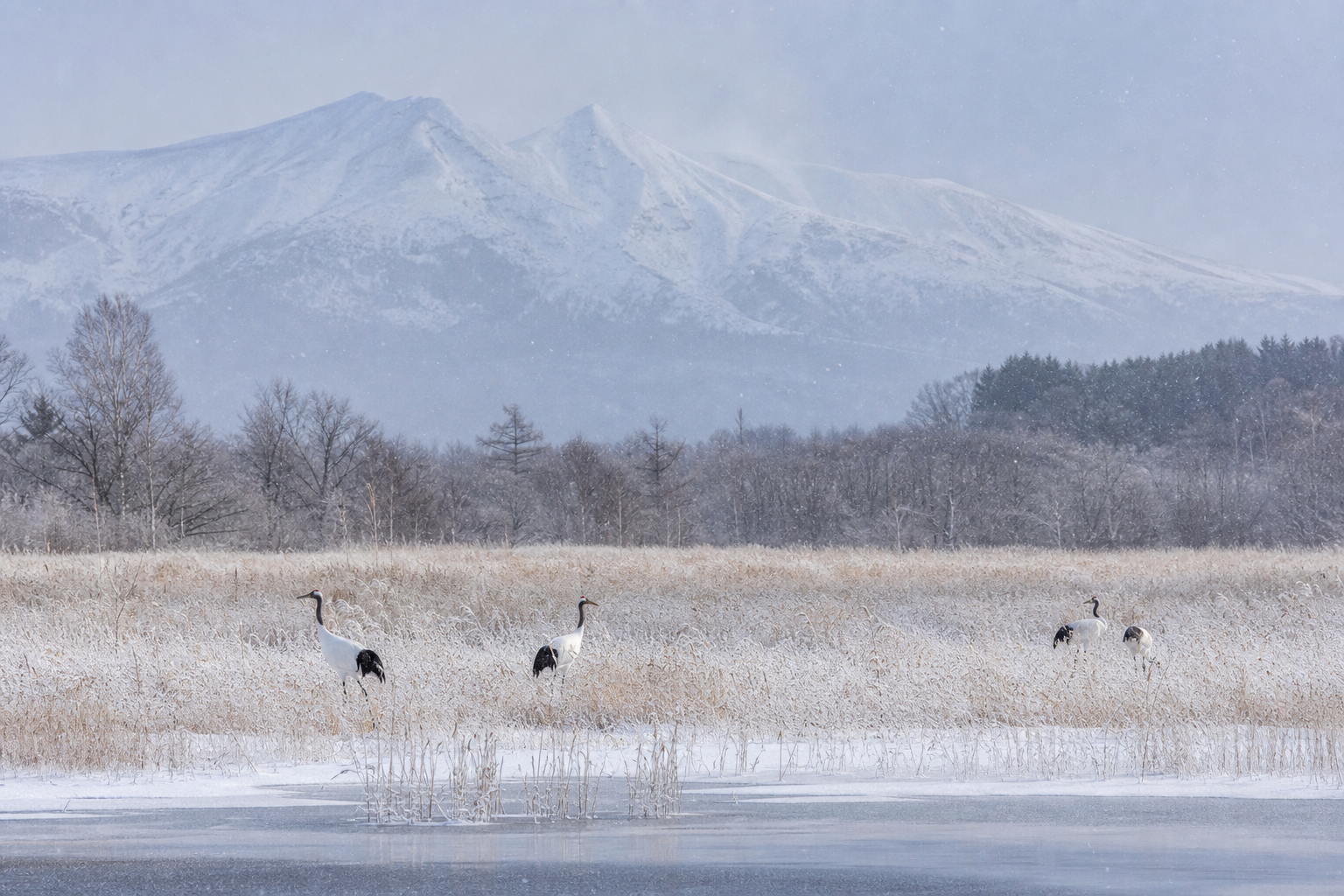
When should you visit?
March–May
Mild and popular. Blossom timing varies by region; book early and expect crowds.
June–August
Rainy season in many regions, followed by heat and humidity. In return: festivals, mountain season and better conditions in the north.
September–November
Early autumn can bring typhoons; later weeks are increasingly clear and colourful.
December–February
Clear dry days in many cities, snow in the north and Alps, and prime onsen season.
Remember: Okinawa, Tokyo, the Alps and Hokkaido have very different climates. Check regional forecasts and warnings shortly before travelling.
Getting around Japan
Shinkansen & long-distance trains
Individual tickets or regional passes often suit an itinerary better than the nationwide pass. Compare your actual route before buying. Reserve early during peak periods and when carrying oversized luggage.
IC cards
Rechargeable cards such as Suica, PASMO and ICOCA simplify local transport and small purchases. They work widely, though not on every rural service.
Luggage forwarding
Takkyubin services send bags between many hotels and airports. Keep a small overnight bag because delivery may not be immediate.
Rental cars
Unnecessary in Tokyo, Kyoto and Osaka; useful in Hokkaido, Kyushu and rural areas. Licence requirements depend on the issuing country, so check official rules.
Stays with character
Ryokan
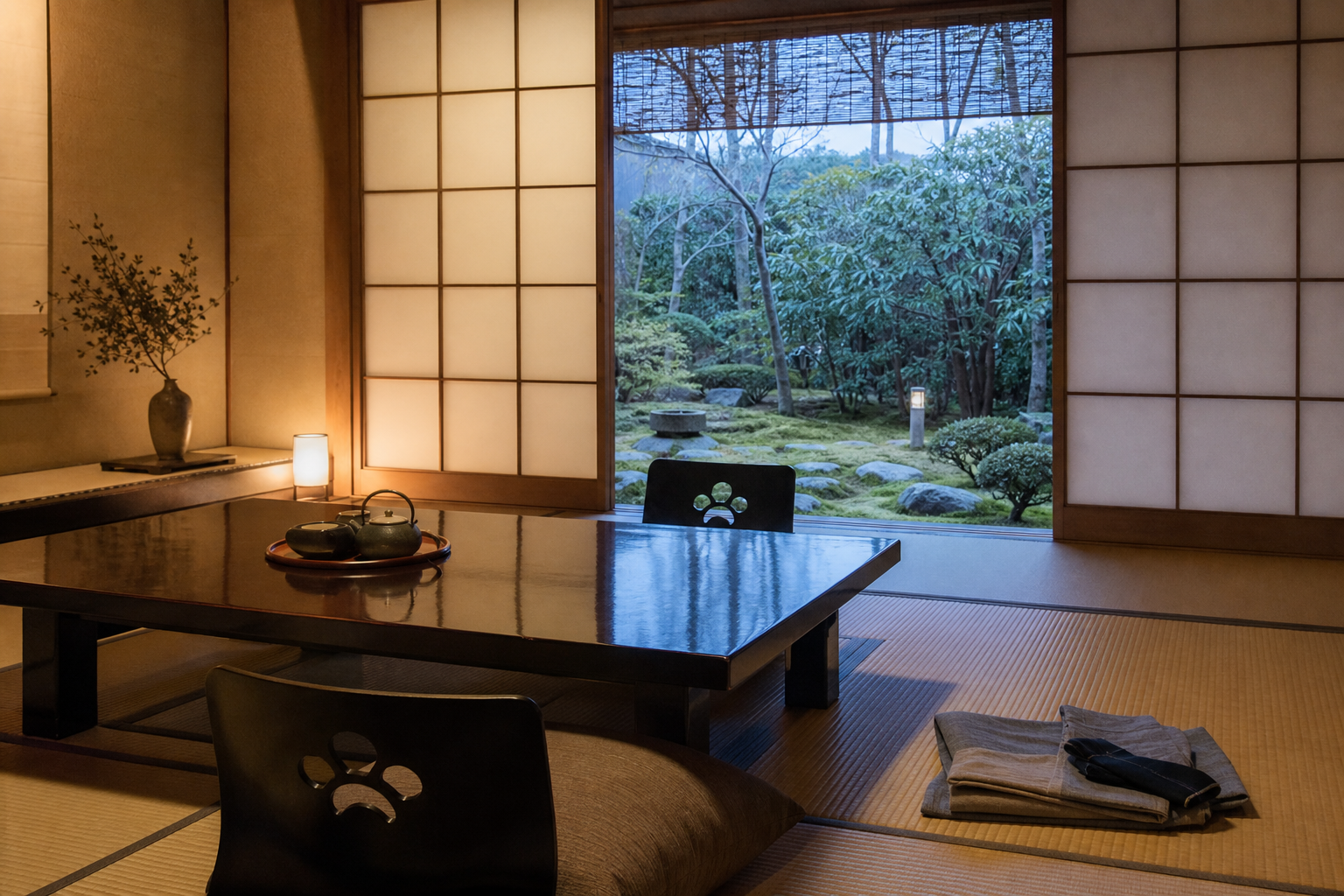
Tatami, futon, shared bathing and often a multi-course dinner. Read house rules and meal times before booking.
Machiya
Traditional townhouses, especially in Kyoto. Atmospheric for longer stays, though sometimes less soundproof and steeper than modern hotels.
Business hotels
Compact, reliable and usually near stations—perfect for short stops and early departures.
Temple lodging
Shukubo offers simple rooms, vegetarian meals and morning rituals. Koyasan is the best-known introduction.
Food: one country, many cuisines
Plan beyond restaurants: include markets, department-store food halls, small izakaya and regional specialities.
- Tokyo: sushi, soba, monjayaki
- Kyoto: kaiseki, tofu, seasonal sweets
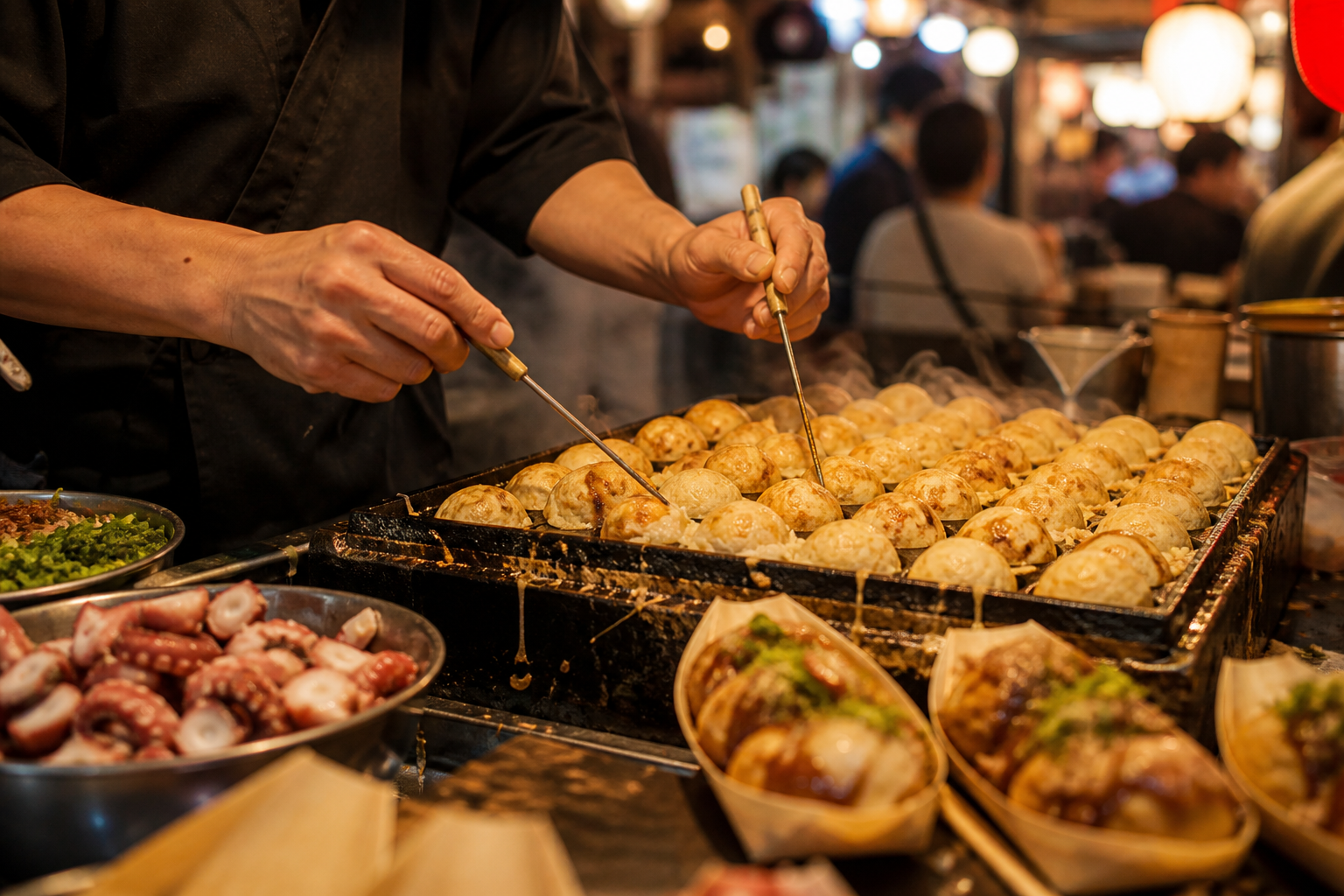
- Osaka: takoyaki, okonomiyaki, kushikatsu
- Hiroshima: okonomiyaki and oysters
- Hokkaido: seafood, miso ramen, dairy
- Kyushu: tonkotsu ramen, yakitori, sweet-potato shochu
Allergies or dietary needs: translated cards help but do not replace a direct conversation. Dashi, sauces and broths may contain animal products or allergens.
Specific tips: eat well and shop cheaply
Reliable budget restaurant types
- Teishoku shops: complete sets with rice, soup and sides.
- Udon and soba counters: quick, filling and often inexpensive.
- Conveyor-belt sushi: clearly displayed per-plate prices.
- Family restaurants: broad menus, pictures and long opening hours.
Useful chains
Sukiya, Yoshinoya and Matsuya are convenient for rice bowls; Marugame Seimen for udon; CoCo Ichibanya for curry; and Saizeriya or Gusto for family dining. Branches, menus and prices vary.
Supermarkets & budget shopping
OK Store, Gyomu Super, Seiyu, Life, Aeon and local supermarkets are generally better value than small convenience stores. Don Quijote is useful for snacks and essentials; Daiso, Seria and Can Do for simple travel items.
Many supermarkets discount bento, sushi, salads and bakery items in the evening. Look for discount stickers; convenience stores are easy, but not always cheapest.
How to spot fair restaurants
Prices should be displayed outside or on a clear menu. Lunch sets often offer better value. Avoid venues recommended by street touts.
Where to stay—and where to be extra alert
Calm and practical bases
- Tokyo: Ueno, Asakusa, Nihombashi, Kiyosumi-Shirakawa and Ebisu are well connected and comfortable for many travellers.
- Kyoto: Kyoto Station for transport, Higashiyama for atmosphere, or Karasuma for a central balance.
- Osaka: Umeda for rail connections, Honmachi for a quieter centre and Tennoji for convenient transport.
“Safe” is never absolute: check the exact street, the night-time walk and recent accommodation reviews.
Take extra care at night
Japan and Tokyo are generally safe. In nightlife areas such as Kabukicho and parts of Shibuya, Ikebukuro, Ueno/Yushima and Roppongi, the main visitor risks are touts, inflated bills, drink spiking and card misuse.
- Never follow street touts into bars or clubs.
- Confirm prices and included drinks before ordering.
- Keep drinks and payment cards in sight.
- Use a koban or call 110 if trouble occurs.
Etiquette without anxiety
- Remove shoes where the entrance or tatami flooring indicates it.
- Speak quietly on trains and respect queues.
- Photograph temples, shrines and people only where permitted.
- Tipping is generally not expected.
- Wash thoroughly before entering an onsen; swimwear stays outside.
- Carry rubbish when no bin is available.
- Cash and cards are often passed on a small tray.
- A friendly “sumimasen” and “arigato gozaimasu” go a long way.
Budget & booking strategy
Book early
Cherry blossom, autumn foliage, Golden Week, public holidays and popular ryokans require lead time. Secure flights and the first nights first.
Save selectively
Lunch sets, business hotels, luggage forwarding instead of large taxis and regional rail passes can reduce costs.
Spend meaningfully
One special ryokan night, a kaiseki meal or a private guide often creates more value than many small upgrades.
Keep a buffer
Prices vary by season, region and exchange rate. Allow extra for spontaneous trains, baggage and weather-related changes.
Practical preparation
Entry requirements
Visa requirements and permitted stay depend on nationality and travel purpose. Check Japan’s Ministry of Foreign Affairs immediately before departure. Visit Japan Web can prepare immigration and customs procedures digitally.
Connectivity & payments
Compare eSIM, SIM and pocket Wi-Fi options. Cards work widely, but small businesses and rural accommodation may prefer cash.
Health
Arrange travel insurance with adequate medical cover and check Japanese import rules for personal medication.
Safety & natural hazards
Japan is generally safe, but earthquakes, typhoons, tsunamis and volcanoes belong in your preparation. Follow local advice and learn your accommodation’s evacuation route.
Emergency numbers
Police: 110 · Fire/Ambulance: 119
JNTO Japan Visitor Hotline: 050-3816-2787 (from overseas +81-50-3816-2787).
Useful apps
Set up offline maps, translation, rail planning and the official Safety Tips app before departure.
Japan packing list
- Comfortable, easy-to-remove shoes
- Small day bag and folding tote
- Type A/B adapter and power bank
- Light layers and rain protection
- Passport copy and insurance details
- Medication and supporting documents
- A small cash reserve
- Refillable bottle and small hand towel
Frequently asked questions
Do I need the Japan Rail Pass?
Not automatically. After price changes, the nationwide pass only pays off for certain rail-heavy routes. Compare individual tickets and regional passes against your exact itinerary.
How many days do I need?
Fourteen days makes a rounded first trip. With 21 days you can slow down or explore an additional region.
Can I travel without speaking Japanese?
Usually, on classic routes. English signage, translation apps and a few polite Japanese phrases help; rural travel may require patience.
Can I travel spontaneously?
To a degree. Popular seasons, distinctive accommodation and reservation-only restaurants benefit from planning; neighbourhoods and day trips can stay flexible.
Official sources
Ministry of Foreign Affairs of Japan – visas and entry · JNTO – safety and emergencies · JNTO – rail travel
Editorial note: Entry rules, timetables, prices and warnings can change. Official information always takes precedence. Last editorial review: August 2026.
Travel planning · Travel safety · Food & Restaurants · Special hotels