
MY HORIZON DIARY · ICELAND
Volcanoes, waterfalls and Nordic city life
Iceland at a glance
Iceland rewards slow, weather-flexible travel. Allow ten to fourteen days for the Ring Road; winter routes should be much smaller. June to September brings long days, while September to March offers northern-light chances.
A 12-day route
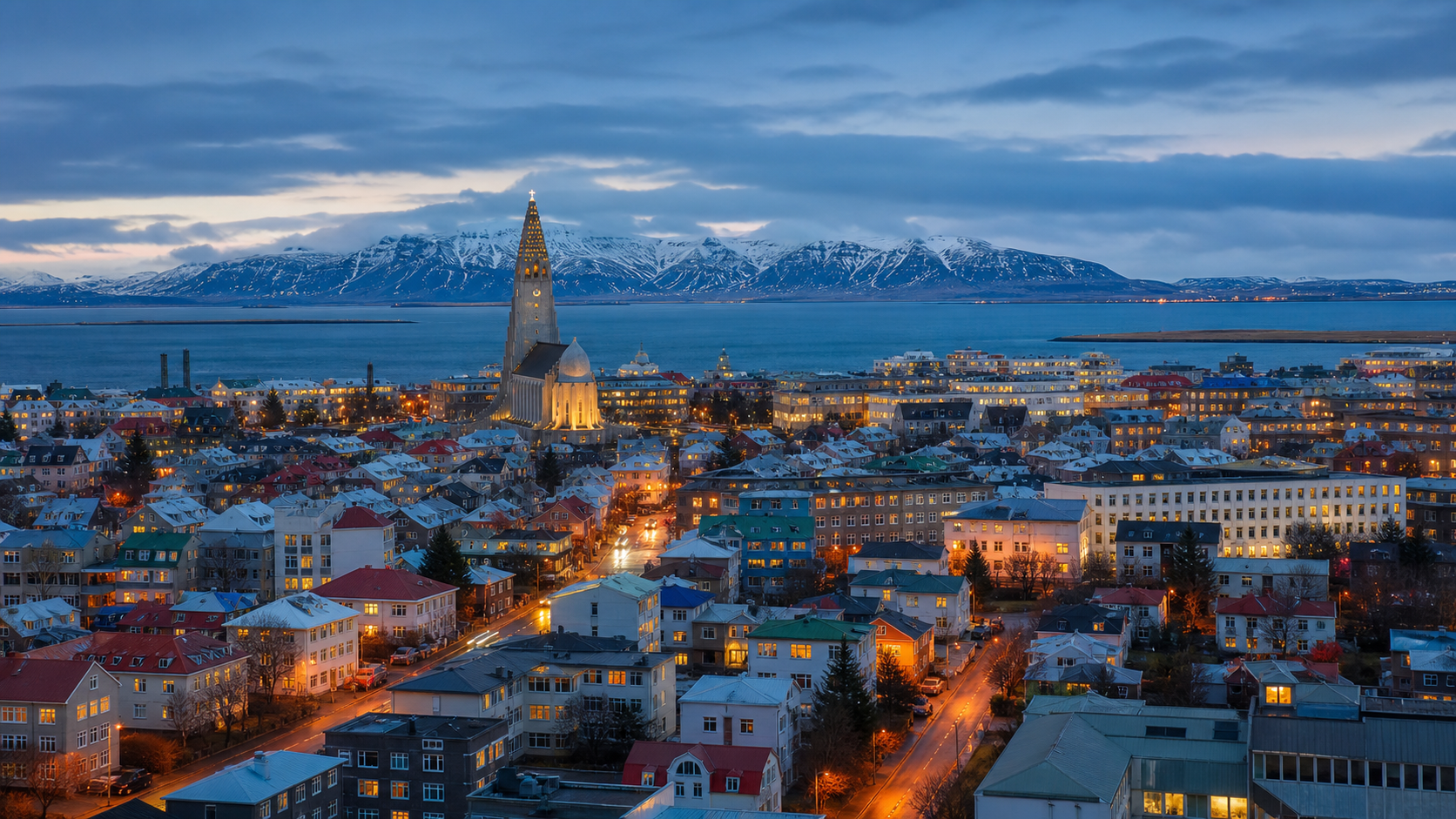
Days 1–2 · Reykjavik
Hallgrimskirkja, harbour, museums, public pools and food halls.
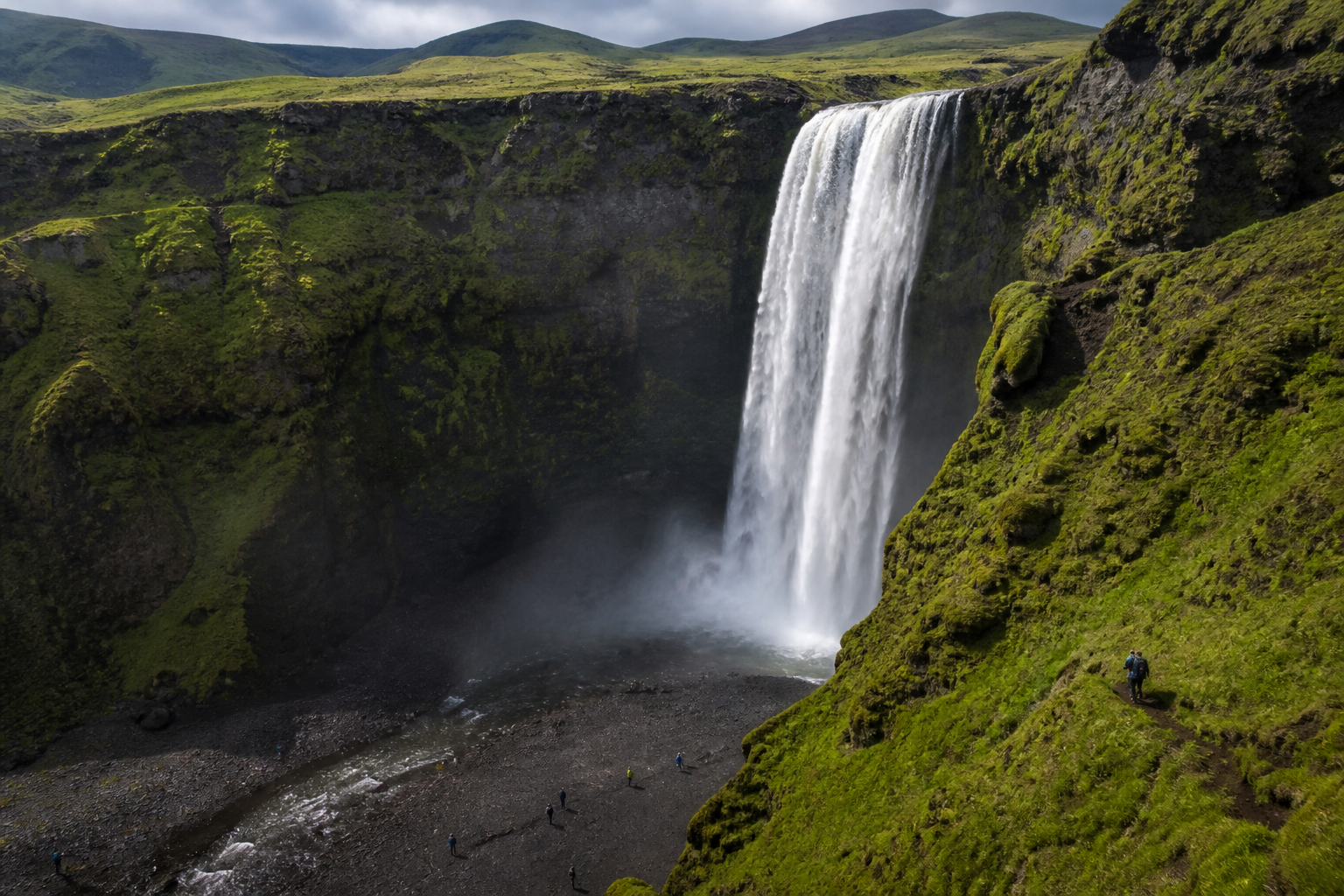
Days 3–5 · South Coast
Thingvellir, Geysir, Gullfoss, waterfalls, black beaches and Vik. Respect wave warnings.
Days 6–9 · East and North
Glacier lagoon, Eastfjords, Myvatn and Akureyri with generous driving buffers.
Days 10–12 · Snaefellsnes
Lava fields, coasts and small harbours before returning to Reykjavik.
Regions and experiences
Golden Circle & South Coast
Accessible but busy. Start early and park responsibly.
Westfjords
Remote fjords, bird cliffs and long distances; best as a dedicated journey.
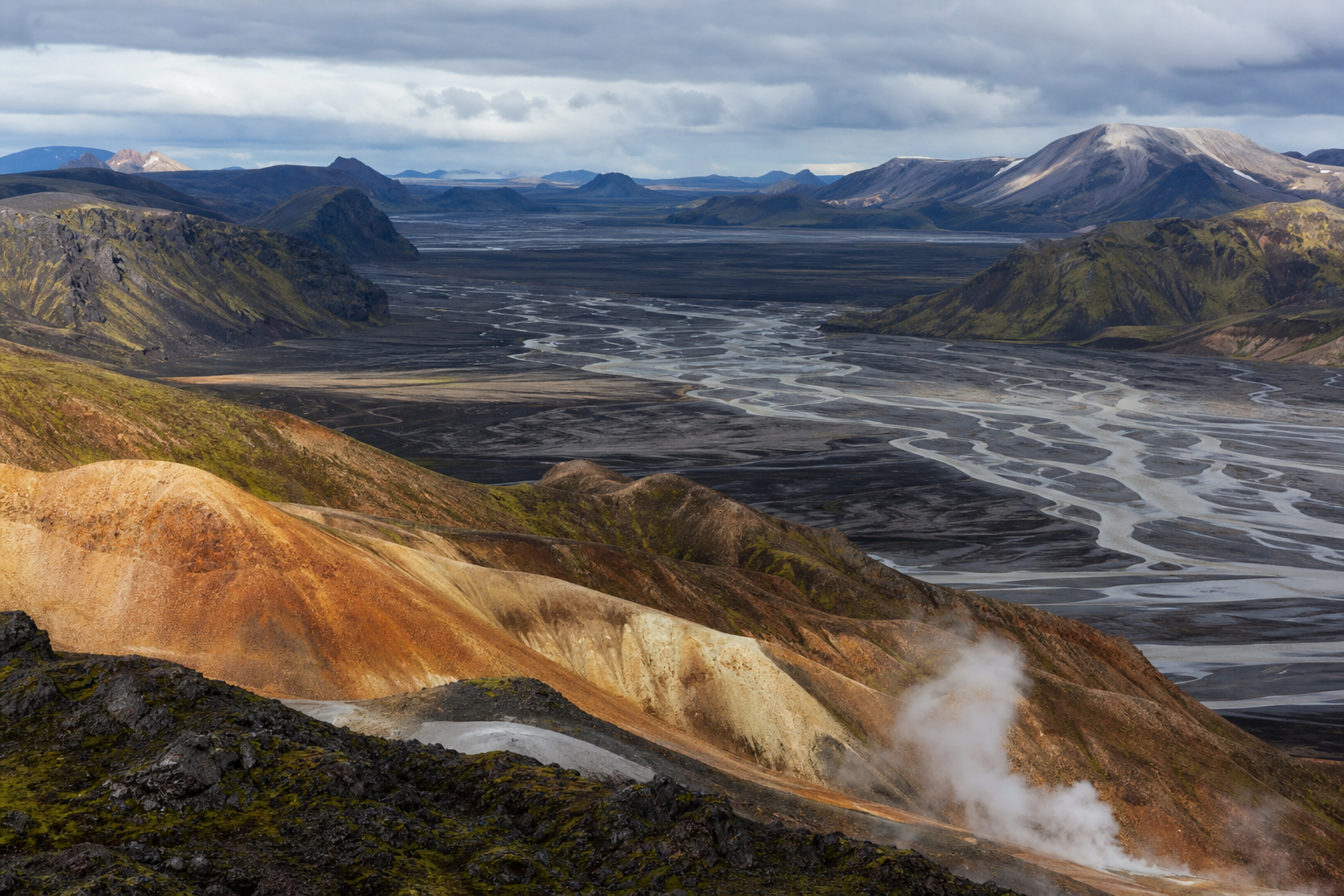
Highlands
Seasonal and often requiring a suitable vehicle. Check road status daily.
Transport, budget and safety
A rental car is usually needed beyond Reykjavik. Wind, ice, road closures and river crossings are serious risks. Never drive off marked roads, check weather and road conditions daily and avoid tight itineraries. Iceland is expensive: Bonus, Kronan and Netto are useful supermarkets; self-catering saves considerably. Emergency number: 112.
Food and restaurants
Try fish soup, rye bread, lamb, skyr and fresh cod. Food halls offer variety and clear pricing. Lunch offers are cheaper; tap water is excellent and free.

Frequently asked questions
How many days?
Seven days for south and west, 10–14 for the Ring Road.
Do I need four-wheel drive?
Usually not for the summer Ring Road; mandatory on F-roads.