
From Rio to the Amazon
Metropolises, Afro-Brazilian culture, rainforest and immense natural wonders — a guide built around focus and realistic distances.
Brazil is larger than Western Europe. A strong first journey connects no more than three regions and uses domestic flights where the map creates a false sense of proximity.
14–21 days
Varies strongly by region
Brazilian real (BRL)
Portuguese
Domestic flight, coach and local transfer
4–5 nights per focus
Three rewarding routes
Rio, Iguaçu & coast
Rio 6 nights · Iguaçu 3 · Ilha Grande or Paraty 4.
The most balanced first trip: city, natural wonder and calm coast. Fly between Rio and Iguaçu; use organised transfer for Costa Verde.
Bahia & Chapada
Salvador 5 nights · Praia do Forte 2 · Chapada Diamantina 5–6.
For Afro-Brazilian history, food and landscape. Plan long transfers during daylight with a reputable provider.
Rio & Amazon
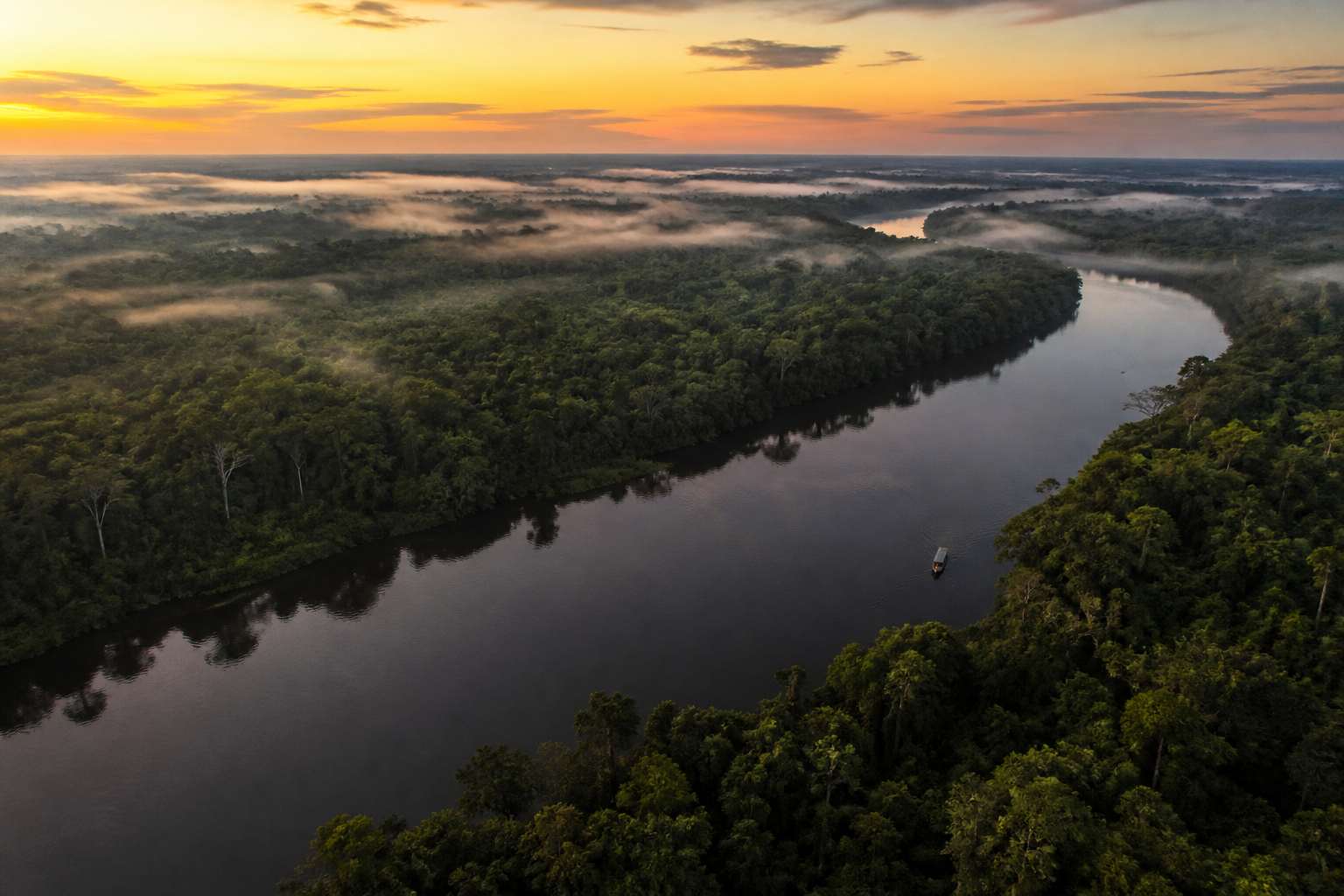
Rio 5 nights · Manaus 2 · Amazon lodge 4 · two flight and buffer days.
Choose a responsible lodge, arrange boat transfers and seek individual malaria advice well ahead.
Regions at a glance
Rio de Janeiro
Sugarloaf, Corcovado, historic centre, Tijuca Forest and beach neighbourhoods. Group sights geographically and use official transport for sunrise or sunset.
São Paulo
Brazil’s culinary and cultural megacity. Pinheiros, Jardins, Liberdade and Vila Madalena make useful bases; traffic shapes every day.
Bahia
Salvador connects Afro-Brazilian religion, music, architecture and food. Choose local guides and respectful photography rather than treating culture as scenery.
Amazon
Manaus is a gateway, not a substitute for the rainforest. Select a lodge with transparent conservation, trained guides and no wildlife handling.
Iguaçu
The Brazilian side delivers the grand panorama. Two full days allow falls, bird park and weather buffer; review border rules before adding Argentina.
Pantanal & Northeast
Pantanal excels for wildlife; Lençóis Maranhenses, Recife/Olinda and Fernando de Noronha each deserve a separate travel module.
When to go
| Region | Good period | Character |
|---|---|---|
| Rio & Southeast | April–June, August–October | Often more comfortable; summer is hot, humid and busy |
| Amazon | Depends on water level | High water for flooded forest, drier months for beaches and trails |
| Pantanal | May–September | Dry season often aids wildlife viewing; verify locally |
| Salvador/Northeast | Many months work | Rain varies; book Carnival and holidays early |
| Iguaçu | Year-round | Water volume, heat and crowds change |
Transport
Domestic flights
Essential over long distances. Compare baggage, airport and connection time. International arrivals may need to collect and recheck luggage at the first Brazilian airport.
Cities
Metro works on useful routes in Rio and São Paulo. For evenings use reputable app rides or hotel transfers and wait inside until the vehicle arrives.
Coaches & cars
Long-distance coaches connect many cities, but use established operators and secure terminals. Rental cars suit defined regions better than megacities.
Food and restaurants
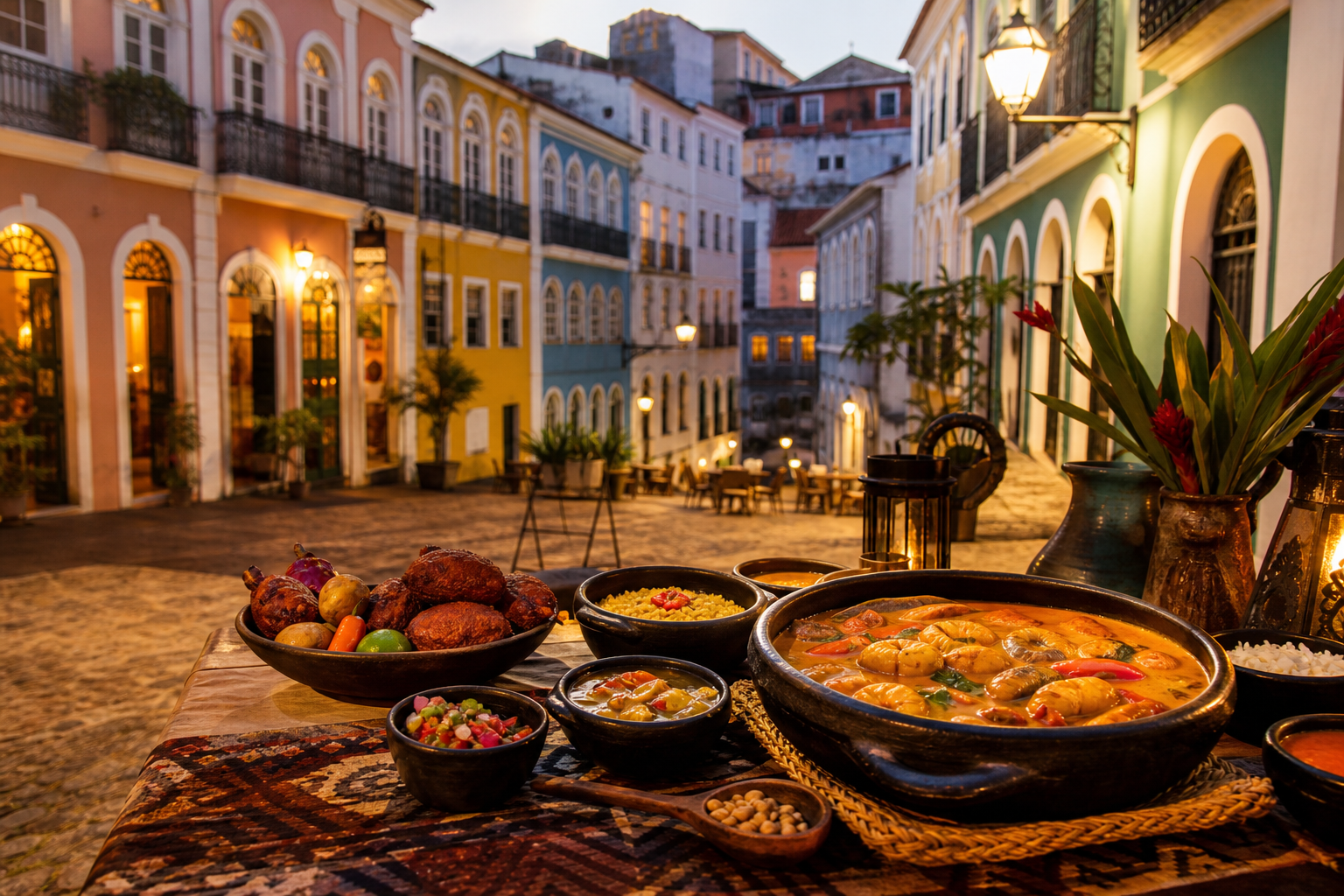
- Prato feito: affordable set meal with rice, beans, salad and protein.
- Comida por quilo: pay-by-weight buffet, excellent for variety and budget control.
- Rio: Botafogo, Ipanema, Leblon and Santa Teresa for botecos, bakeries and modern cooking.
- Bahia: moqueca, acarajé, vatapá and dendê with cultural context.
- Minas Gerais: pão de queijo, stews, cheese and hearty regional food.
- Amazon: regional fish, cassava and fruits through responsible providers.
A service charge of around 10% is often added. Check the bill before leaving extra tip.
Affordable groceries
- Assaí and Atacadão: large price-led stores, useful for supplies.
- Carrefour and Extra: broad ranges; prices vary by neighbourhood.
- Pão de Açúcar: convenient and polished, often dearer.
- Hortifruti and street markets: excellent for fruit, vegetables and local produce.
- Zona Sul in Rio: convenient near beaches, not usually a budget choice.

Where to stay
| Rio | Ipanema or Leblon for beach and infrastructure, Copacabana for choice, Botafogo for metro and restaurants. Review the exact block, entrance and evening transfer. |
|---|---|
| São Paulo | Jardins/Paulista, Pinheiros or Vila Madalena depending on focus. Metro access and short journeys matter more than a central map pin. |
| Salvador | Barra or Rio Vermelho make practical bases; explore Pelourinho by day and use current local advice for evening routes. |
| Foz do Iguaçu | Centre for restaurants and buses, or Avenida das Cataratas for resorts and transfers. Confirm park transport first. |
| Manaus | Adrianópolis/Vieiralves for infrastructure; visit the historic centre deliberately by day. Confirm lodge transfer directly. |
Staying safe
- Do not display phones or jewellery; check navigation inside a café, hotel or vehicle.
- Take only essentials to the beach and never leave bags unattended.
- Do not enter a favela spontaneously or with unofficial operators; conditions can change quickly.
- Avoid empty streets and parks after dark. Order rides from inside and verify the plate.
- Use ATMs inside banks or malls and split a small cash reserve.
- Military Police 190, SAMU medical emergency 192, fire service 193.
Entry and health
- Visa and passport rules depend on nationality and purpose; verify through official consular sources before booking.
- Yellow-fever vaccination is recommended for many destinations and may need medical review at least ten days ahead.
- Discuss mosquito, malaria and dengue prevention for Amazon and other regions with a travel-health professional.
- Arrange travel medical insurance including repatriation.
- Follow local water and swimming advice; use qualified guides in nature areas.
Official sources: German Foreign Office – entry and safety · Brazilian Ministry of Health – traveller vaccination · SAMU emergency 192 · Brazilian Ministry of Tourism. Recheck before travel.
Packing list
Documents
Passport, visa proof if required, insurance, flight and transfer details, vaccination records.
City & coast
Light clothing, rain shell, high-SPF protection, discreet small bag, Type N/C adapter and power bank.
Amazon & nature
Light long clothing, repellent, sturdy shoes, waterproof pouch, personal medication and binoculars.
Frequently asked questions
Can I combine Rio, Salvador and the Amazon in two weeks?
Technically yes, but it requires many flights. Rio plus Amazon, or Rio plus Salvador and a coast stay, is better paced.
Do I need a car in Rio?
No. Metro, reputable app rides and organised transfers are usually easier than parking and unfamiliar routes.
Where can I eat cheaply?
Padarias, prato feito and comida por quilo offer strong value. Near beaches, walk one or two streets into the neighbourhood.
Do I need yellow-fever vaccination?
It is recommended for many areas. Discuss suitability and exact destination with a clinician at least ten days ahead.
How much Portuguese do I need?
Basic phrases help greatly. Save addresses, hotel name, offline translation and allergy notes in Portuguese.
Brazil does not become smaller — but your journey can become clearer.
Choose fewer regions, plan transfers deliberately and meet culture and nature with time, context and respect.
RioBahiaAmazonIguaçu