
TANZANIA · SAFARI · INDIAN OCEAN
Tanzania
Serengeti mornings, the Ngorongoro rim, Kilimanjaro’s clear silhouette and Zanzibar’s turquoise coast.
Plan your first journey
Tanzania combines some of Africa’s strongest safari experiences with mountains, vibrant cities and the Indian Ocean. Allow 12–16 days for Arusha, Tarangire, Ngorongoro, Serengeti and Zanzibar. The Great Migration follows rainfall, so no exact location or river crossing can be guaranteed.
Best time
June–October is dry and excellent for wildlife. January–March often brings calving in the southern Serengeti ecosystem. April and May are wetter and quieter.
Gateway
Arusha is the hub for the Northern Circuit, with flights to Zanzibar from Arusha/Kilimanjaro and Dar es Salaam.
Ideal length
At least seven safari days; 12–16 days including Zanzibar is more relaxed.
Serengeti & Ngorongoro
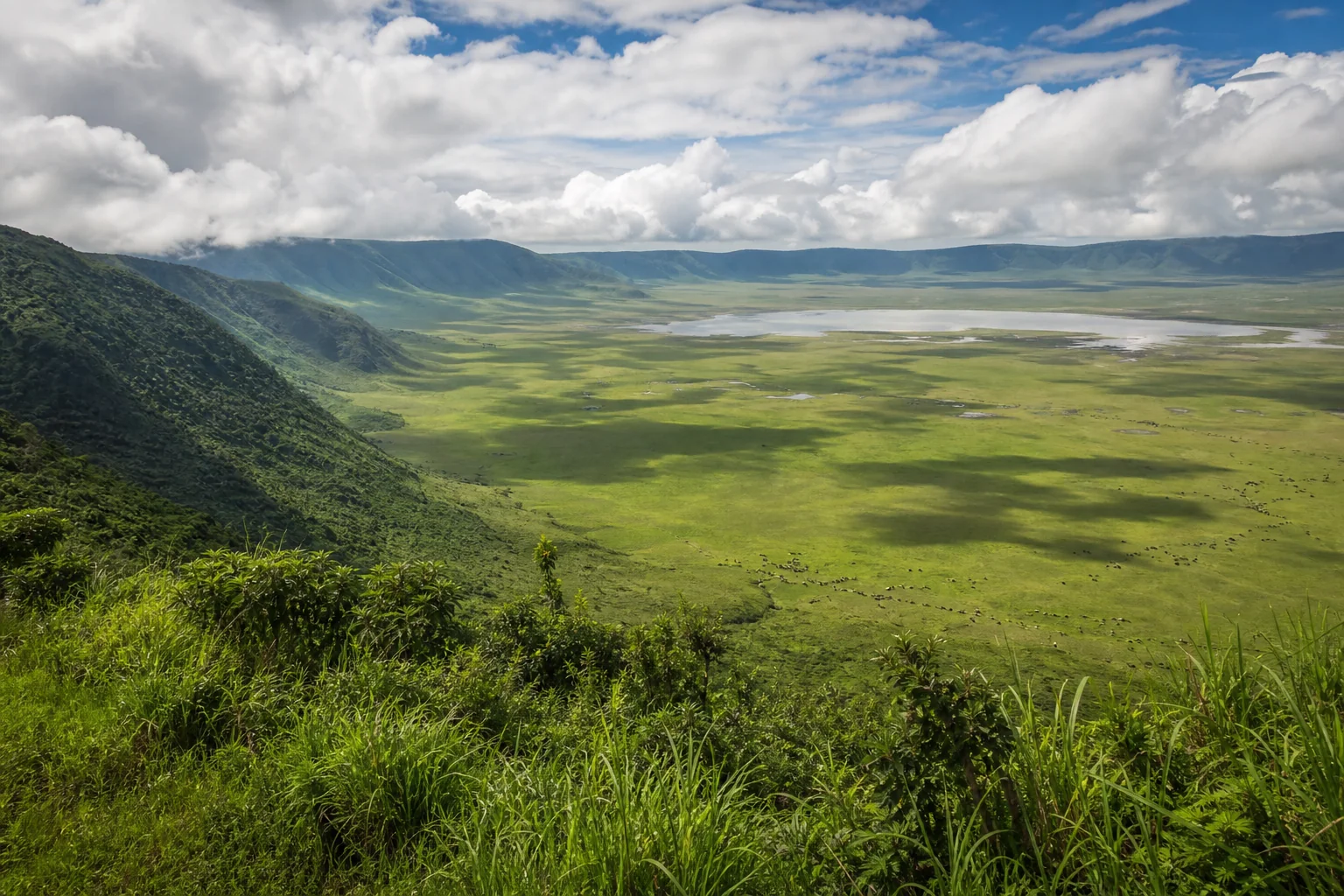
Serengeti: Stay at least three nights and choose the region for the season. Early and late drives usually offer the best light and animal activity.
Ngorongoro: Descend early. Mornings on the crater rim can be cold, so pack layers.
Tarangire: Baobabs and large dry-season elephant gatherings make it an excellent first stop from Arusha.
Kilimanjaro & Arusha
Use Arusha for markets, coffee experiences and a buffer day. A Kilimanjaro climb requires a licensed operator, a sufficiently long route and serious acclimatisation. Altitude illness can affect anyone; slow pacing, rest and insurance covering evacuation and high-altitude trekking are essential.
Suggested 14-day route
- Arusha – arrival and equipment check
- Tarangire – 2 nights
- Ngorongoro/Karatu – 2 nights
- Serengeti – 3 to 4 nights
- Zanzibar – Stone Town and coast, 4 to 5 nights
Zanzibar: Stone Town & sea
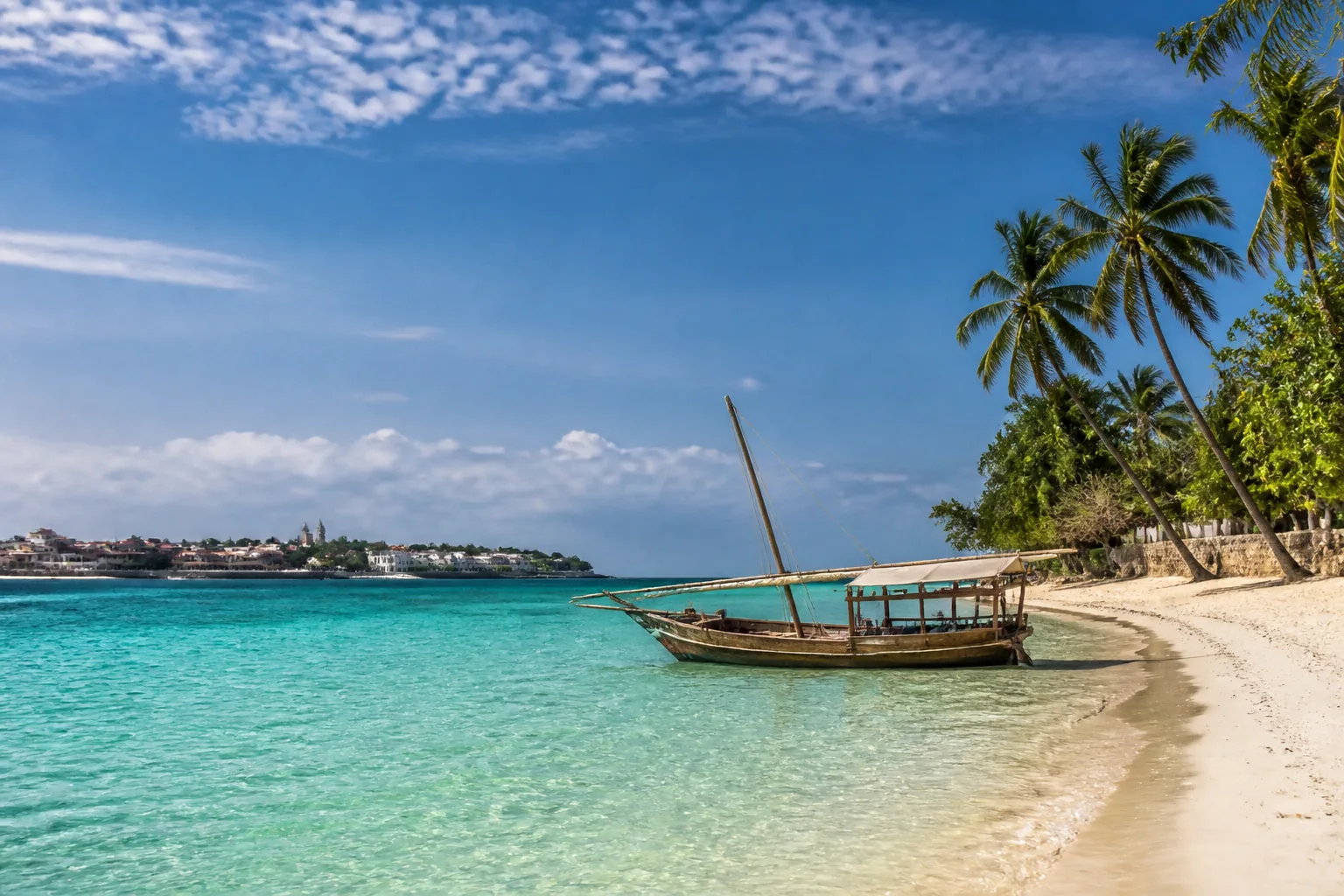
Start in Stone Town for winding lanes, spice history and Forodhani in the evening. Choose Nungwi/Kendwa in the north or Paje/Jambiani on the east coast, where tides shape the day. Dress respectfully away from resorts, especially in towns and villages.
Food, shops & stays
Eat
Try ugali, nyama choma, mishkaki, pilau, chapati, fresh fruit and Zanzibar’s fish, coconut and spice dishes.
Budget meals
Busy local restaurants cost less than lodges. Choose freshly cooked food and check buffet temperature and turnover.
Groceries
Arusha and Dar es Salaam have larger supermarkets; dukas and markets are useful for water, snacks and fruit. Stock up before safari drives.
Lodges
Park fees, location and transfers drive cost. Compare total prices including fees, drinks and transport.
Budget & transport
Safari pricing reflects park fees, vehicle and guide. Group trips often start around US$200–350 per person per day; comfortable private trips can be much higher. Season and inclusions matter. Domestic flights save time; road transfers cost less but can be long. Use licensed, reputable operators and confirm inclusions in writing.
Safety & health
- Check current travel advice and entry rules before departure.
- Malaria risk exists across many lower-altitude areas. Seek travel-health advice early, use strong mosquito protection and discuss preventive medication.
- Yellow-fever certification rules depend on origin and transit route.
- Avoid walking alone at night in unfamiliar areas; use organised transfers or registered taxis.
- Carry medical insurance including repatriation, safari evacuation and high-altitude rescue when trekking.
Requirements change. Follow official travel advice and a qualified travel-medicine clinician.
Your journey. Your story. Your horizon.
Safari horizons, mountain air and island rhythm — Tanzania rewards time.