
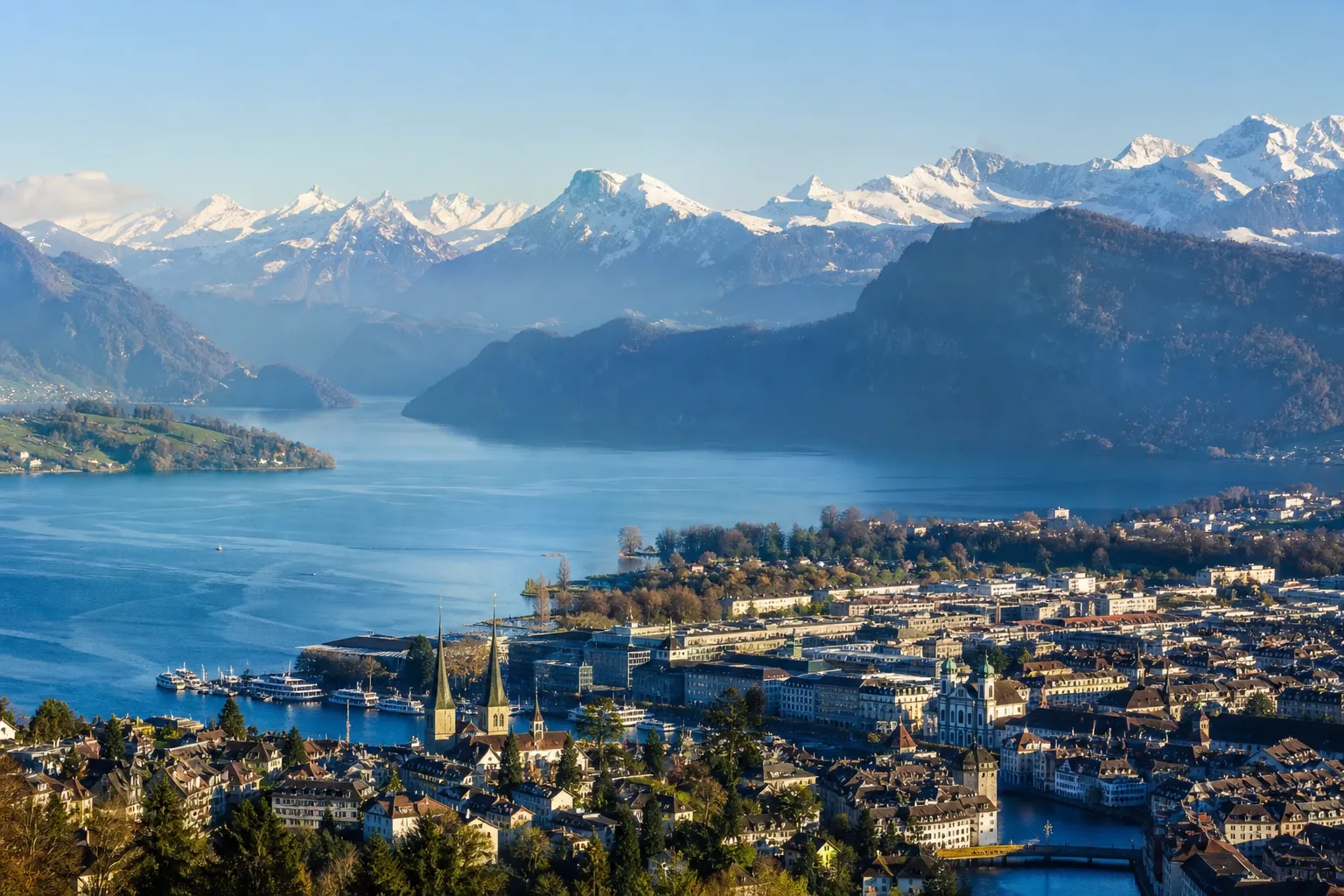
Switzerland · Rail journey
Switzerland Travel Guide
Zurich, Lucerne, Bern, the Jungfrau region and Zermatt – one journey through cities, lakes and high Alps.
Switzerland at a glance
Switzerland is compact yet remarkably varied. Rail is ideal for a first journey, connecting cities, lakes and mountain regions without a rental car. Allow eight to ten days for Zurich, Lucerne, Bern, Jungfrau and Zermatt. June to September suits hiking; May and October are quieter, although some mountain transport may run reduced schedules. Winter shifts the focus to snow and alpine resorts.
Best time
June–September for lakes and trails; December–March for winter sports.
Ideal duration
8–10 days for five regions at a comfortable pace.
Currency
Swiss francs. Cards are widely accepted, but some cash remains useful.
Days 1–2: Zurich
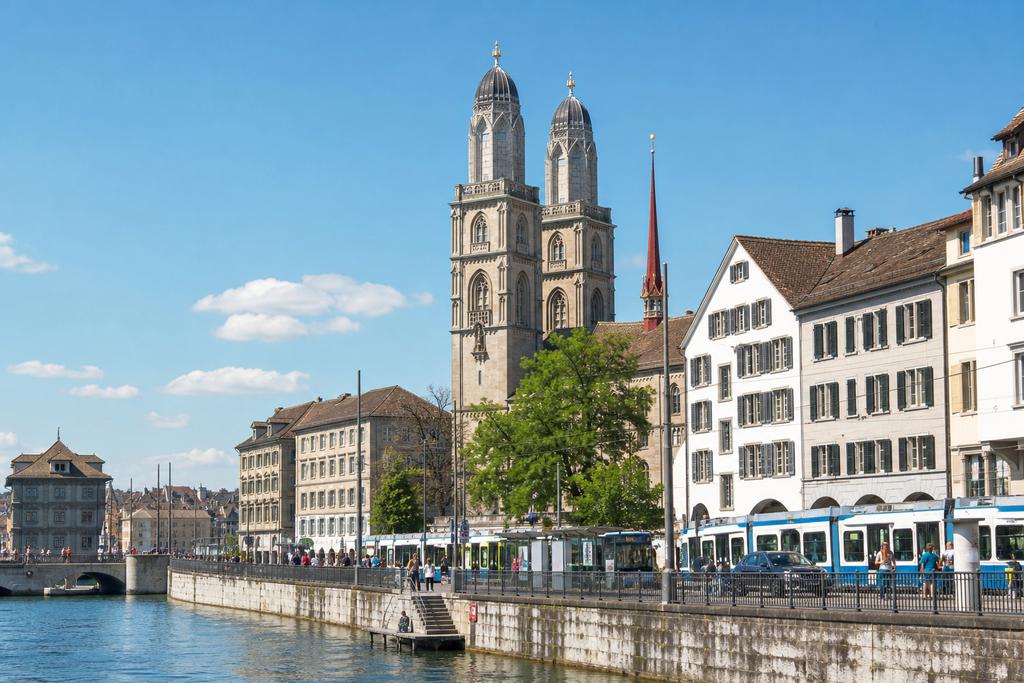
Begin beside the Limmat between Grossmünster, Niederdorf and Lindenhof. On day two combine Kunsthaus or the National Museum with Zurich-West and the lakeside. Zeughauskeller and Rheinfelder Bierhalle are established choices for unfussy food; verify opening hours directly. Lunch specials, bakeries and a lakeside picnic offer better value.
Day 3: Lucerne
Chapel Bridge, the old town and lakefront connect easily on foot. In clear weather add a boat trip or an excursion to Rigi or Pilatus. Check mountain conditions and the final descent before buying. Traditional inns serve Swiss classics, while bakeries and supermarkets keep costs manageable.
Day 4: Bern
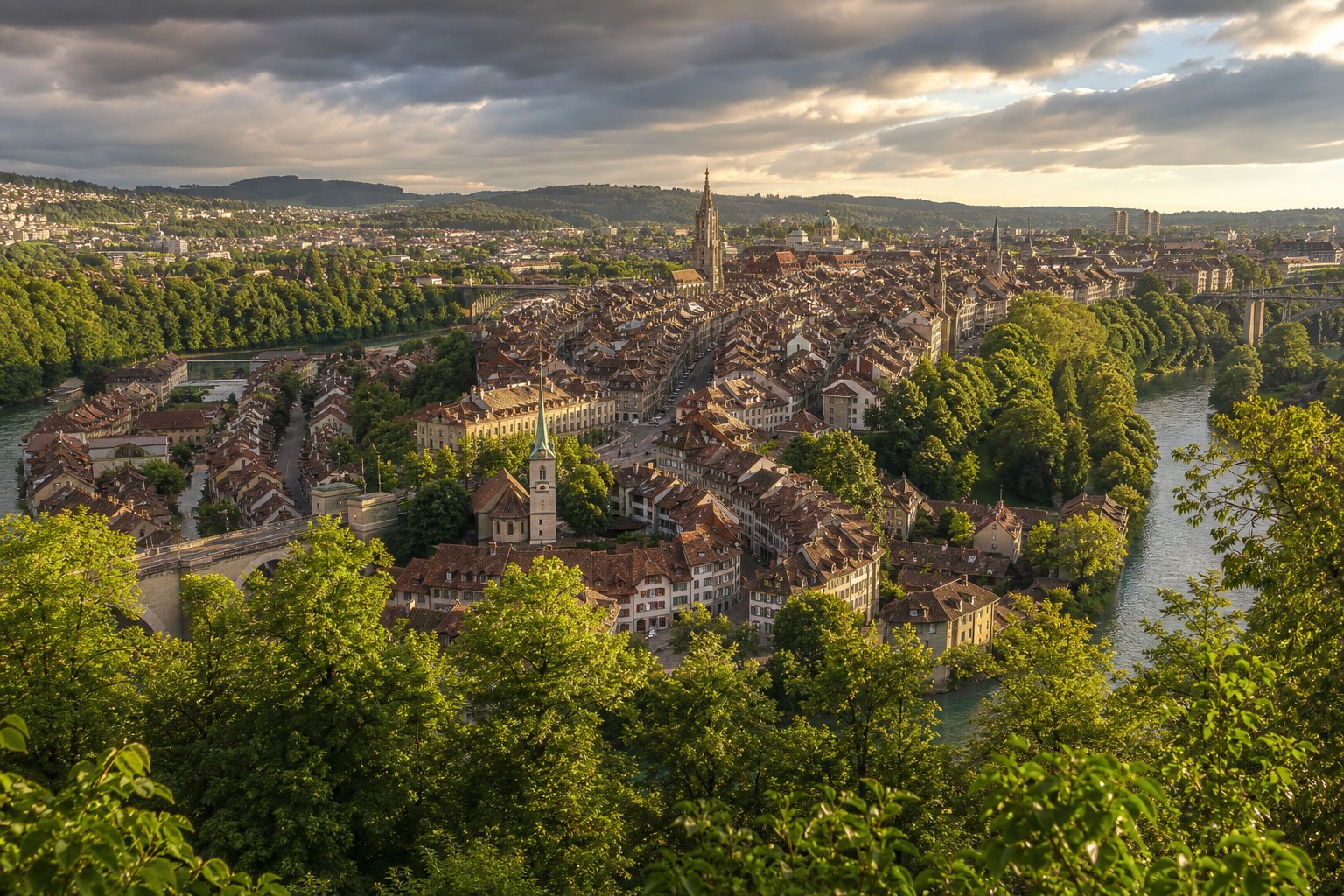
Bern’s old town is defined by sandstone arcades, fountains and views over the Aare. Walk from the station to the Federal Palace, Zytglogge and Münster, then climb to the Rose Garden viewpoint. Lötschberg and Altes Tramdepot are well-known for regional dishes; compare menus and reserve when needed.
Days 5–7: Interlaken & Jungfrau
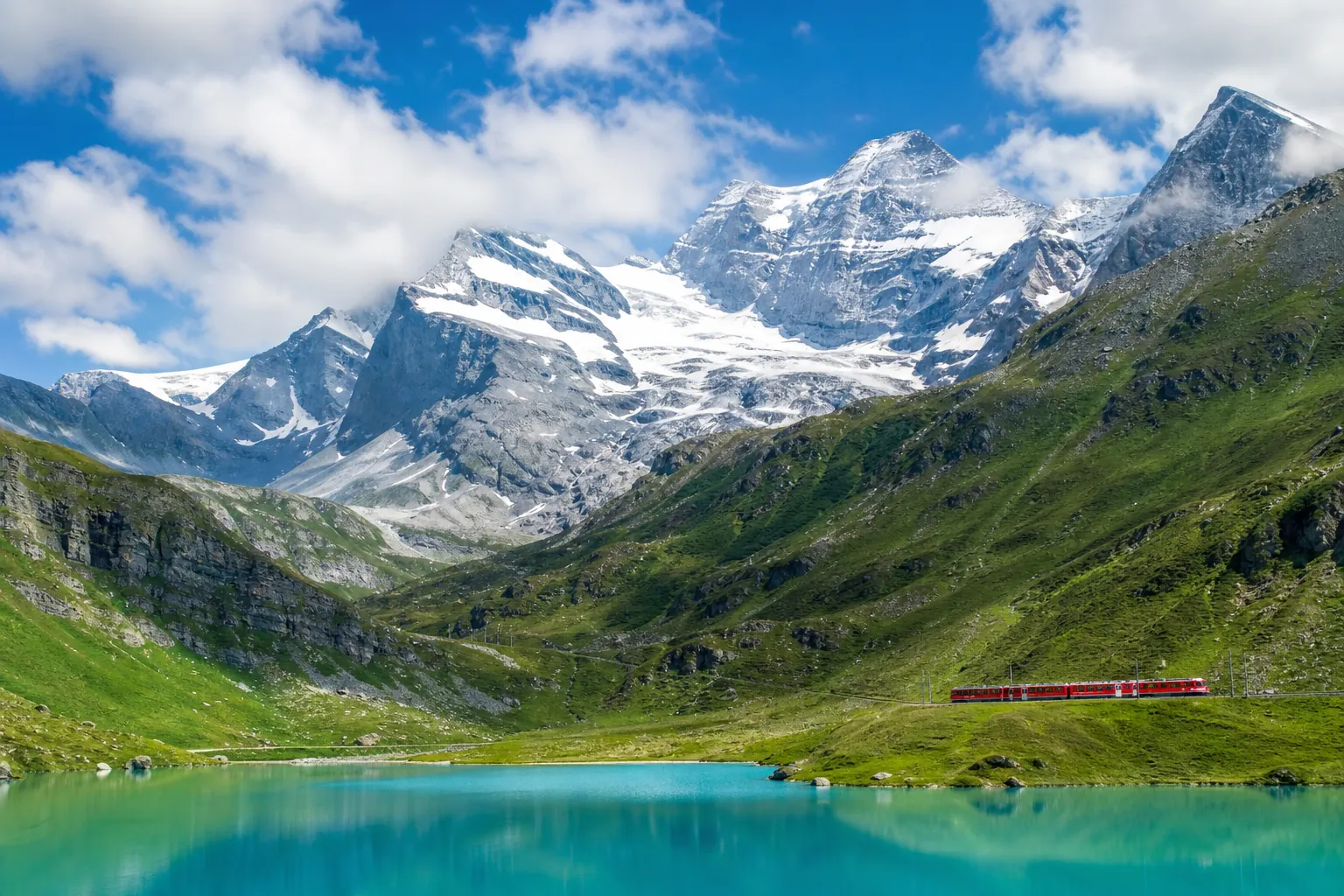
Interlaken is the transport hub, while Lauterbrunnen, Wengen and Grindelwald offer more atmosphere. Keep one day weather-flexible. Lauterbrunnen Valley, Kleine Scheidegg, Mürren and the lakes provide alternatives to the expensive Jungfraujoch. Buy costly mountain tickets only when visibility is worthwhile and check exactly what your pass covers.
Days 8–10: Zermatt
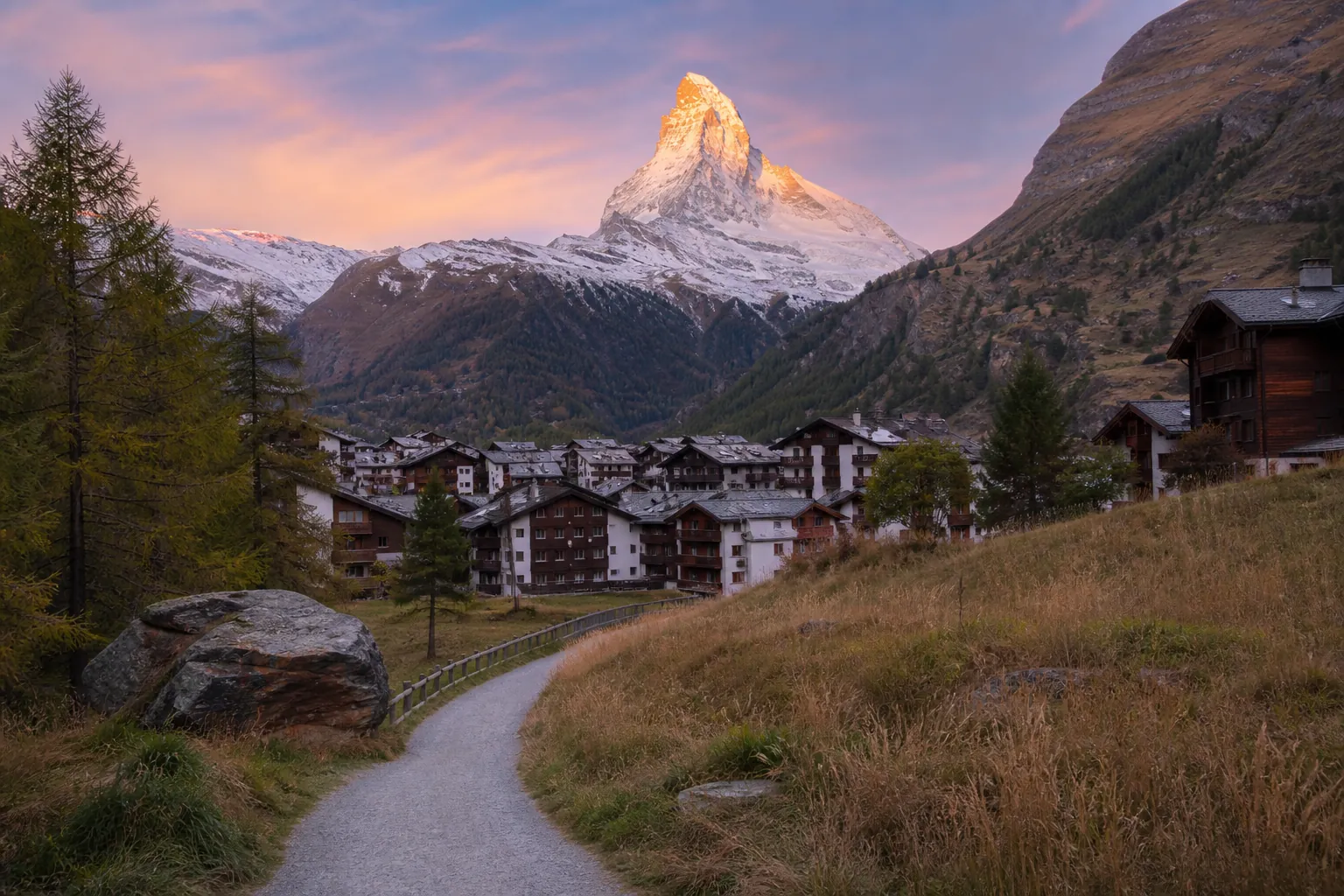
Car-free Zermatt is reached by train via Visp. Sunnegga, Gornergrat and easy village-edge paths provide Matterhorn views. Start early and carry warm layers: high-alpine weather changes quickly. Travellers watching their budget can stay in Täsch and take the shuttle train into Zermatt.
Rail passes & daily budget
Compare point-to-point fares, Saver Day Passes, the Swiss Half Fare Card and Swiss Travel Pass using your actual route. The Swiss Travel Pass is designed for visitors resident outside Switzerland and includes trains, buses, boats and local transport in many cities; mountain railways may only be discounted. Check binding prices and coverage with SBB.
- Budget: CHF 120–180 per day – hostel, Coop/Migros/Aldi/Lidl and advance fares.
- Comfortable: CHF 220–350 – mid-range hotel, restaurants and selected mountain trips.
- Upscale: CHF 450+ – central hotels, panoramic experiences and fine dining.
Coop, Migros, Aldi and Lidl are useful for groceries. Supermarket restaurants and bakeries help with affordable breakfasts and lunches.
Safety & mountain rules
The main risks come from weather, altitude and overestimating ability. Check forecasts and trail status, wear proper shoes, carry water and sun protection, and turn back in thunderstorms or poor visibility. Use normal pickpocket precautions at stations and crowded sights. The general emergency number is 112; Swiss air rescue Rega can be reached on 1414.
Practical planning
The SBB Mobile app combines timetables and tickets. Before each mountain day, check live weather, operating status and the last connection. For official destination information, visit Switzerland Tourism.