
MY HORIZON DIARY · BERLIN
History, neighbourhoods and a city that is never finished
A CITY BREAK WITH PERSPECTIVE
Berlin at a glance
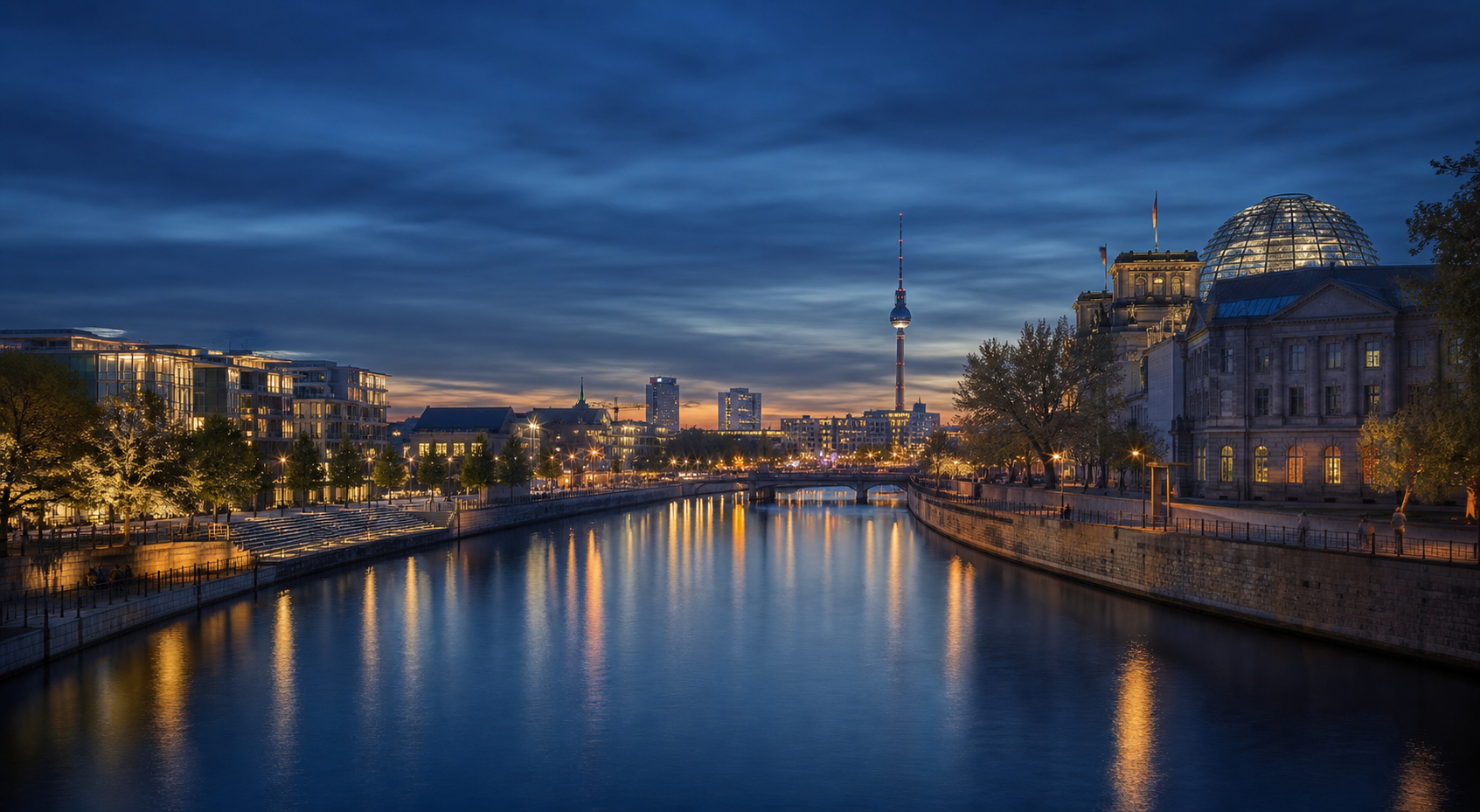
Berlin is not defined by one historic centre but by the changing character of its neighbourhoods. The government district, Museum Island, late-19th-century streets, contemporary galleries, lakes and improvised cultural spaces are often only a few underground stops apart. Four to five days work well for a first visit: enough for the major historical layers and at least two districts beyond the classic route.
Best time to visit
May, June, September and early October combine long days with generally pleasant weather. July and August bring lively parks and lakes but crowded highlights. November to February is often cheaper and suits museums, concerts and restaurants; pack warm, rainproof layers.
Ideal length
Allow four days for the essential districts, five or six with Potsdam, Wannsee or a slower day in Charlottenburg. Berlin is large: plan one or two neighbouring areas each day.
An ideal four-day route
Day 1 · Mitte and German history
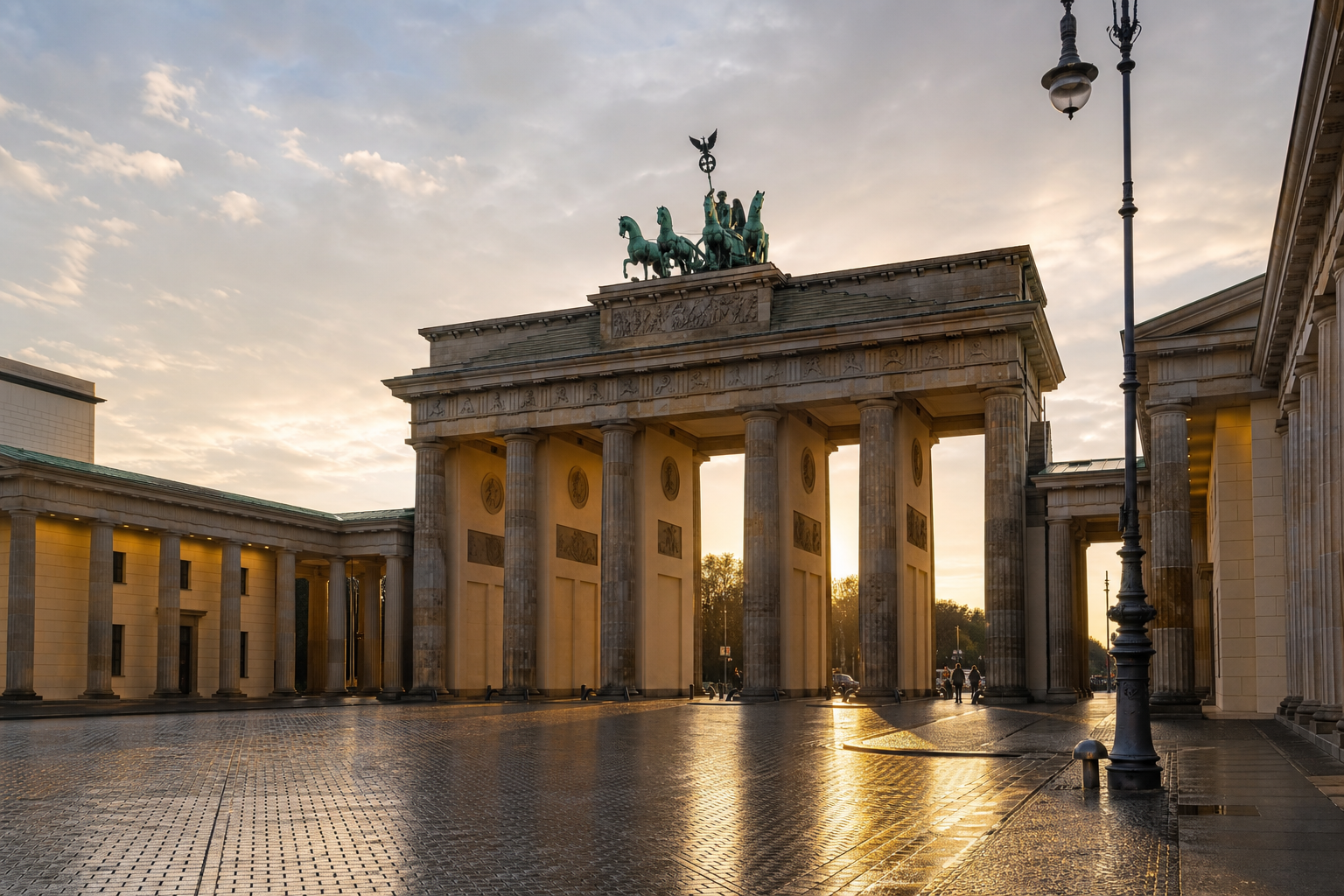
Begin at the Reichstag and Brandenburg Gate, walk through the government district to the Memorial to the Murdered Jews of Europe, then continue towards Potsdamer Platz. The Reichstag dome requires advance registration. Allow pauses: the sites are close together but emotionally demanding.
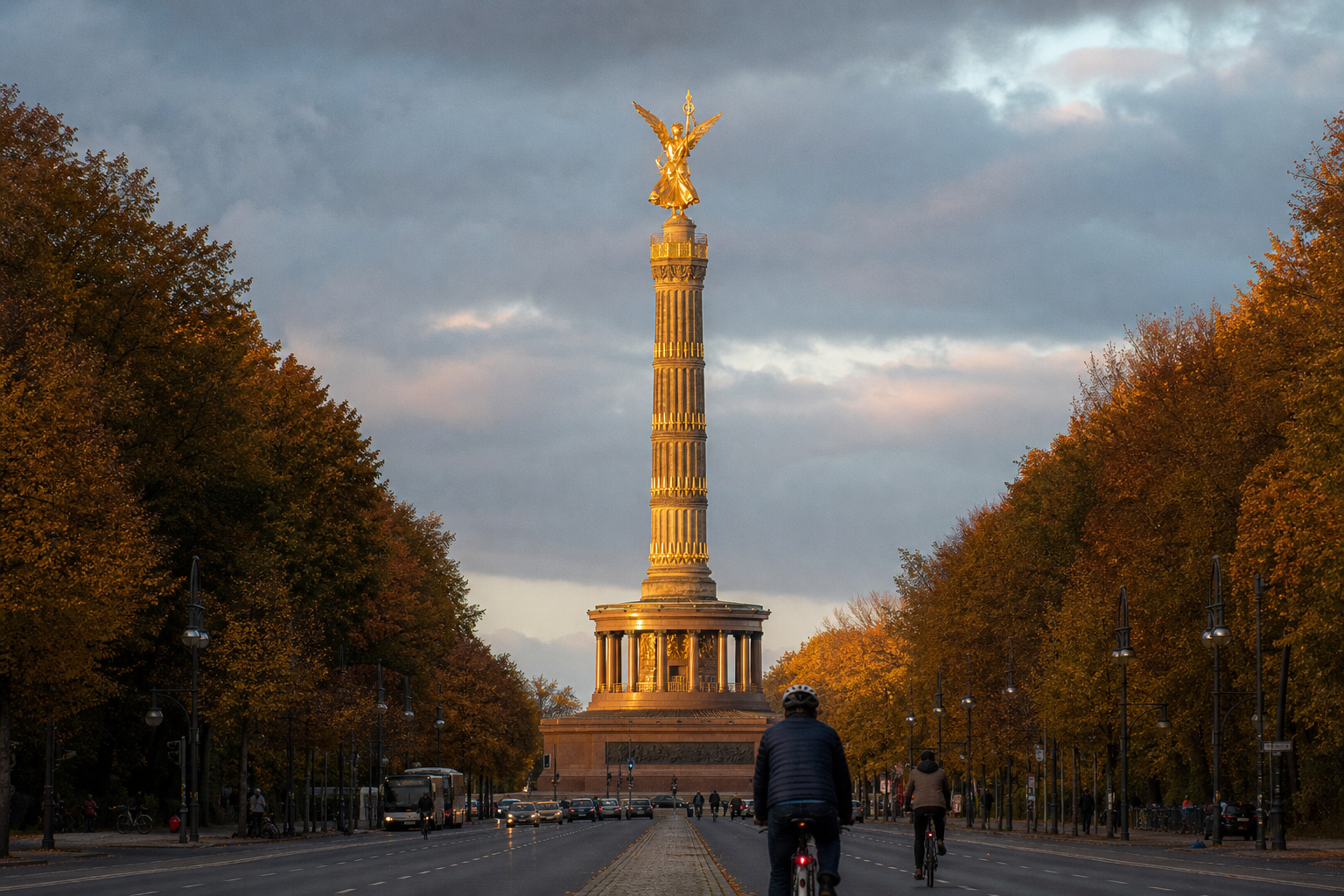
From Brandenburg Gate, a rewarding walk crosses the Tiergarten to the Victory Column. Its viewing platform is reached by stairs and opens a long view along Straße des 17. Juni. Allow roughly 60 to 90 minutes for this extension.
Day 2 · Museum Island, cathedral and Alexanderplatz
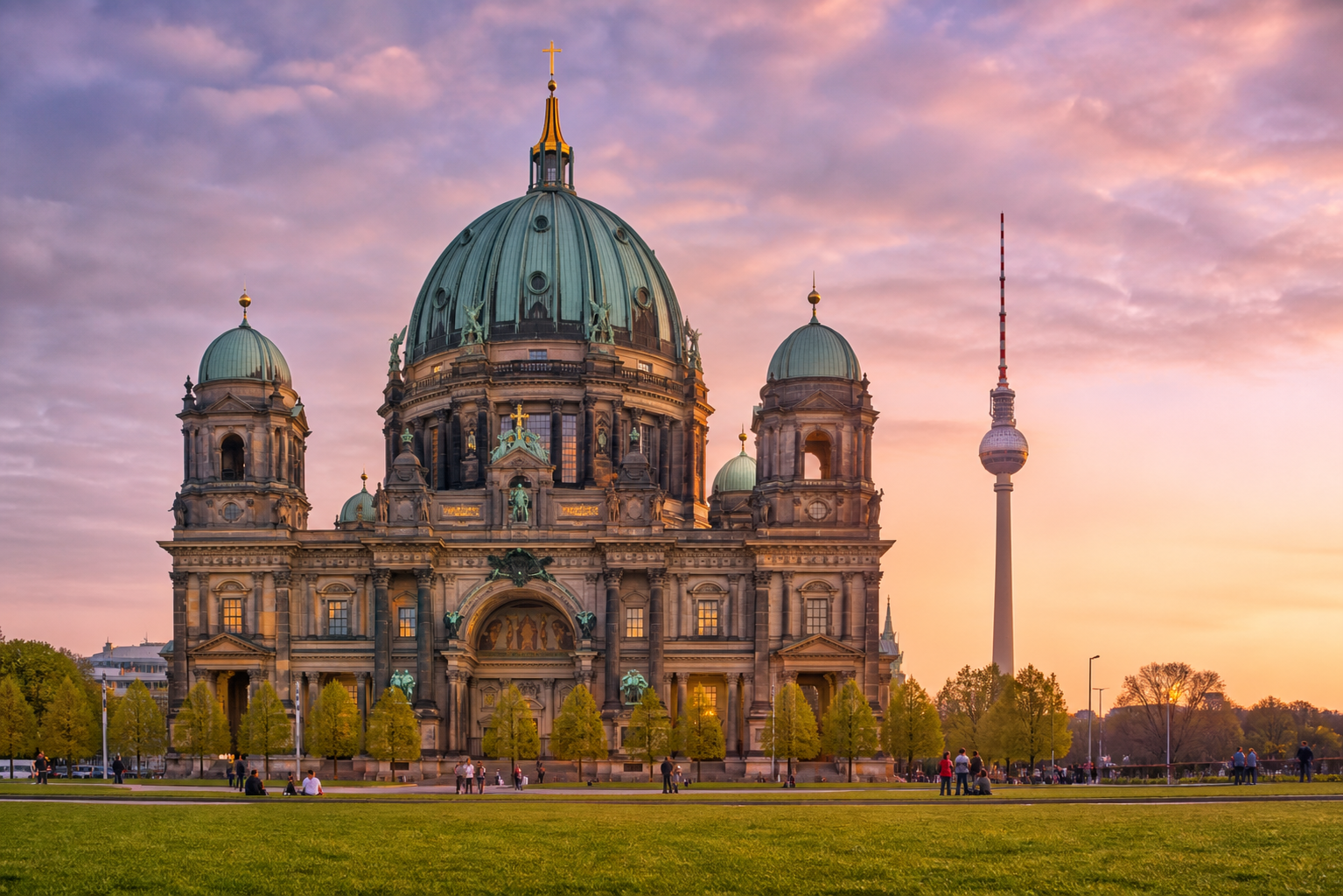
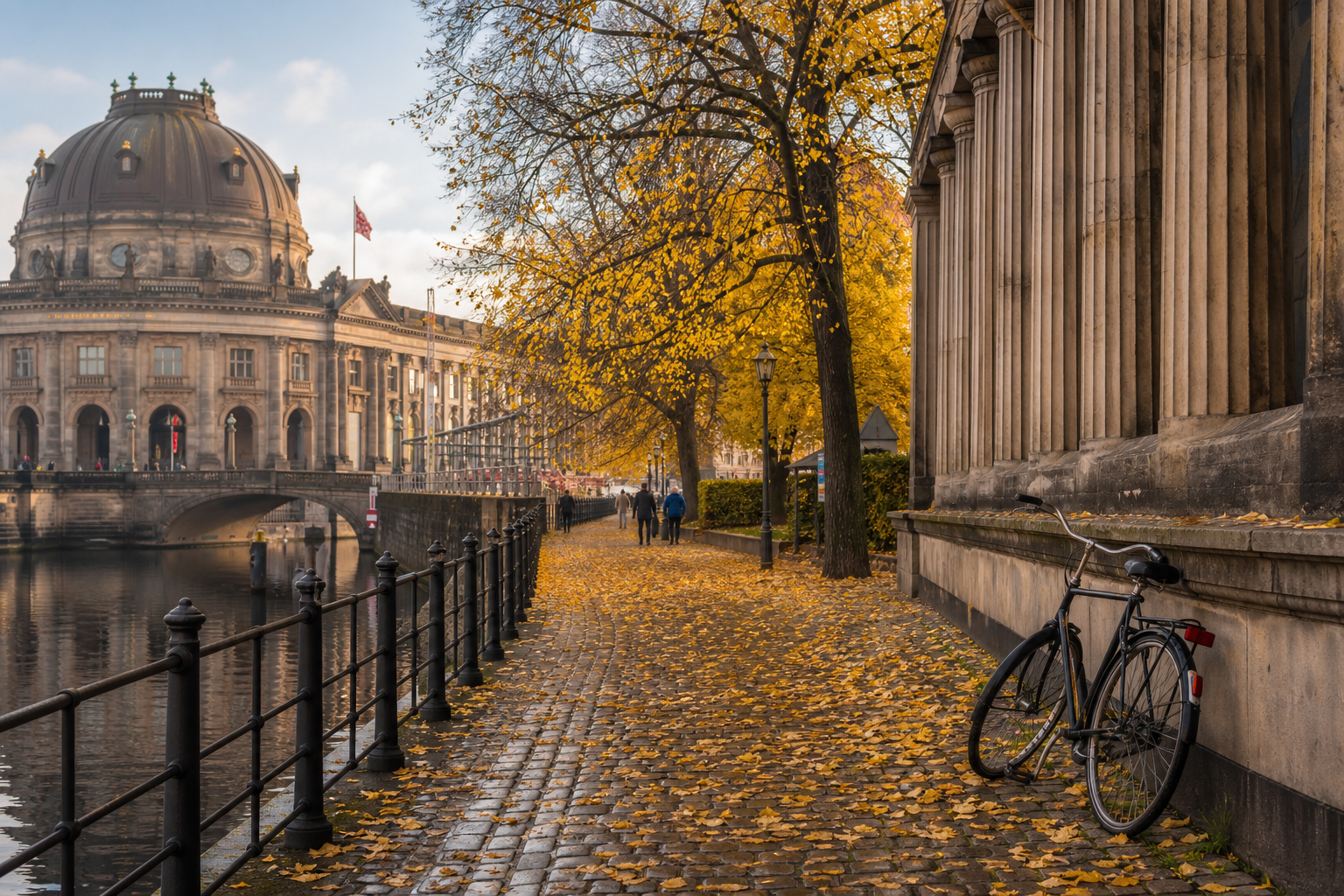
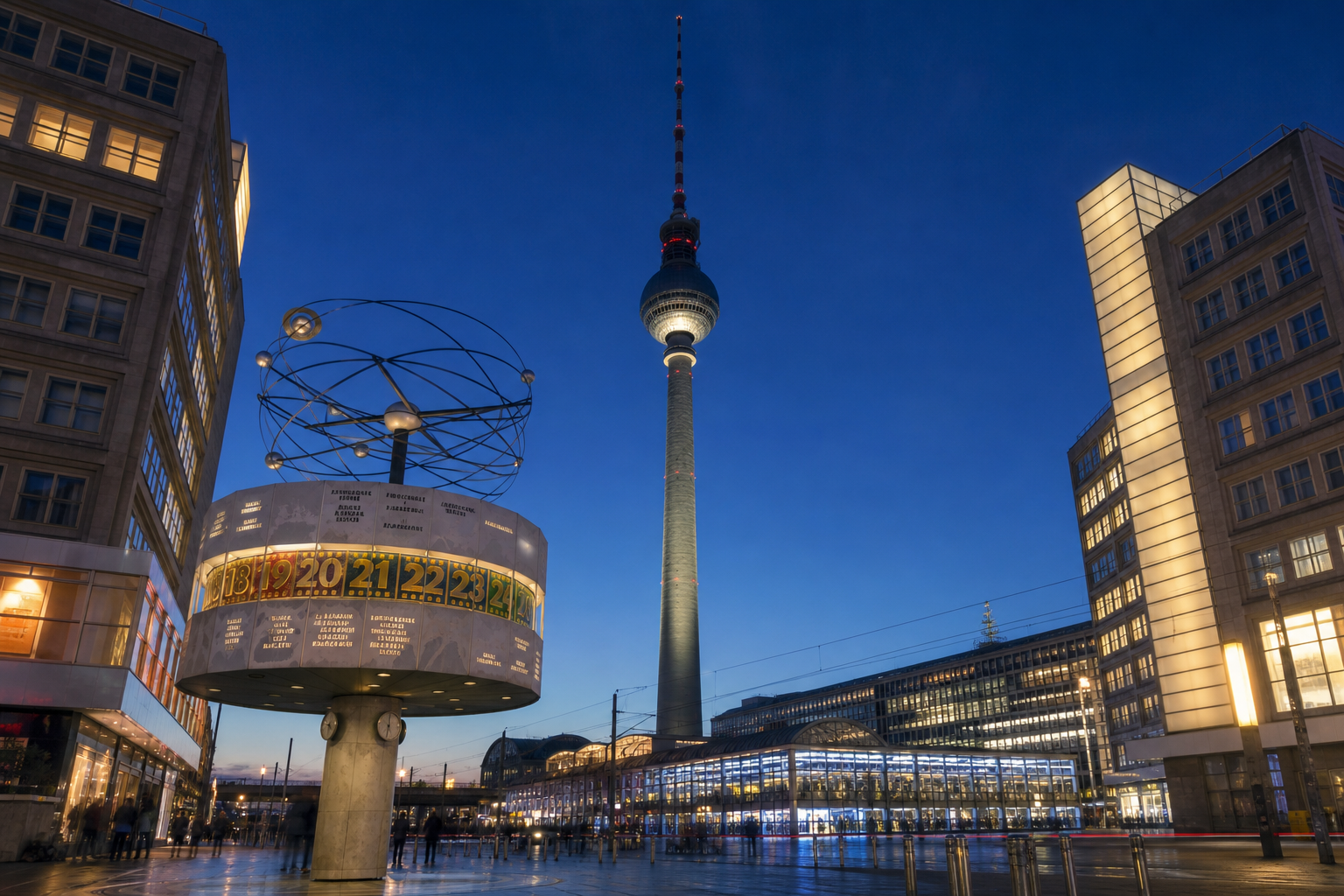
Begin at Berlin Cathedral and the Lustgarten. A cathedral visit combines naturally with Museum Island; check current opening hours and events first. Choose one or two museums on Museum Island instead of attempting a marathon, and check current openings during ongoing renovations. Continue on foot to Alexanderplatz, the World Time Clock and the TV Tower. Reserve a timed slot for the viewing platform; in clear weather the panorama reaches far across the city. Later, Hackesche Höfe, Scheunenviertel and Kollwitzkiez lead into a calmer Berlin of cafés, independent shops and leafy squares.
Day 3 · Kreuzberg, Neukölln and the Wall
Start at the East Side Gallery or Berlin Wall Memorial on Bernauer Straße. Continue to Kreuzberg around the Landwehr Canal, Bergmannkiez or Markthalle Neun. Northern Neukölln brings cafés, bars and global cuisines, while Tempelhofer Feld offers space at the end of the day.
Day 4 · City West and Charlottenburg
Visit Kaiser Wilhelm Memorial Church, the Zoological Garden area and quieter side streets off Kurfürstendamm. Charlottenburg Palace, the Scharf-Gerstenberg Collection or Museum Berggruen provide a cultural focus. In good weather, finish at Lietzensee.
Where to stay
- Mitte: convenient for a first visit, but more touristy and usually pricier.
- Charlottenburg: elegant, calm and well connected; ideal for culture and classic hotels.
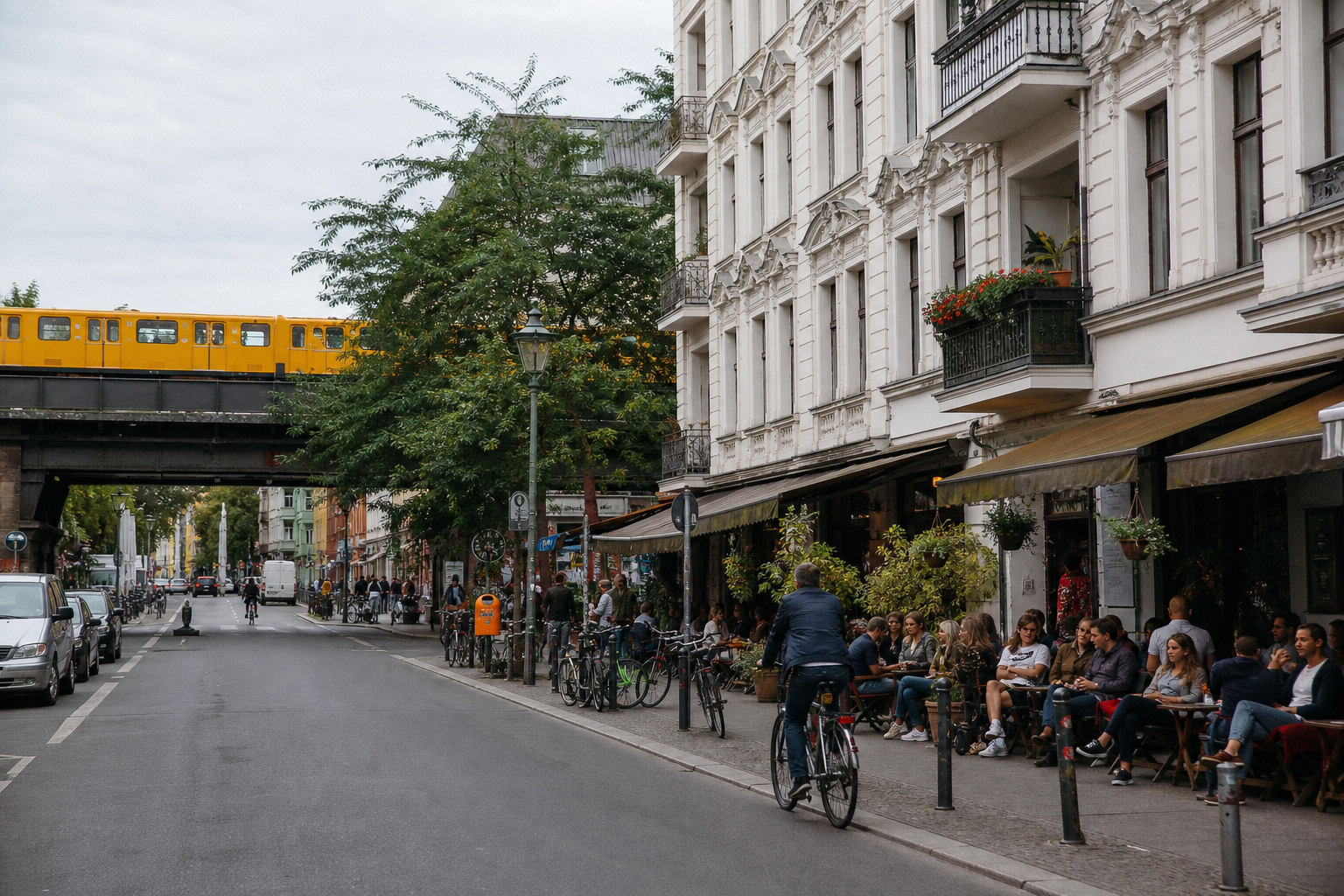
- Kreuzberg: lively, diverse and strong for nightlife; check noise reports before booking.
- Prenzlauer Berg: cafés, period buildings and relaxed evenings, especially pleasant for longer stays.
- Friedrichshain: young, creative and well connected; louder near major nightlife streets.
Food, markets and useful addresses
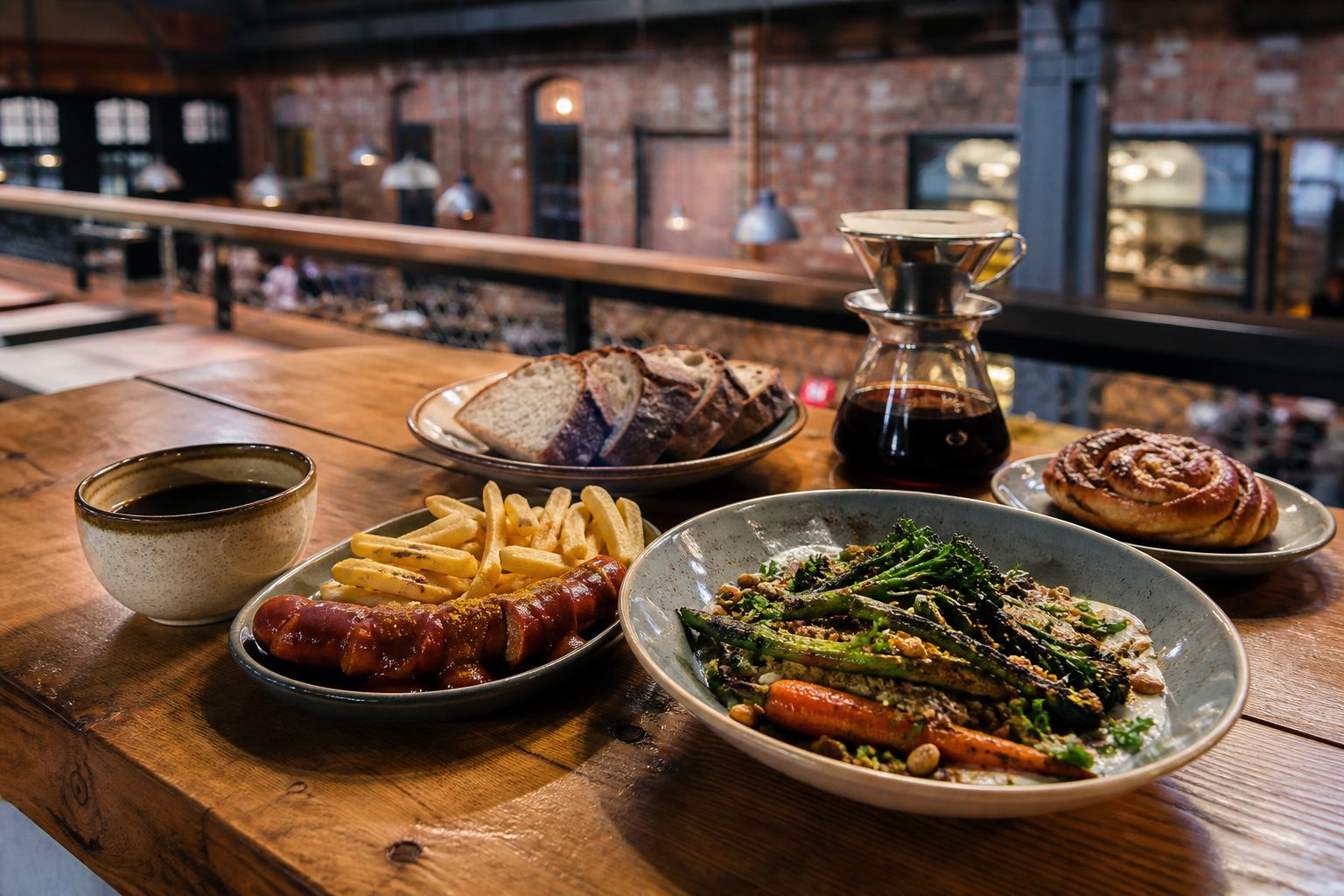
Berlin classics include currywurst, meatballs, jam doughnuts and modern German cooking. Turkish, Vietnamese, Syrian and Israeli-influenced cuisines matter just as much. Established choices include Konnopke’s Imbiss or Curry 36 for currywurst, Mustafa’s Gemüse Kebap for the famous vegetable döner, Café Einstein Stammhaus for coffee-house atmosphere, Zur letzten Instanz for historic Berlin dishes, and Nobelhart & Schmutzig or Rutz for special menus. Check current opening hours and book ahead where needed.
Markthalle Neun, the Turkish Market on Maybachufer and Winterfeldtmarkt combine shopping with street food. Aldi, Lidl, Penny and Netto are common for inexpensive groceries, while Rewe and Edeka usually carry a wider range. Late-night Spätkauf kiosks are convenient for drinks and essentials but cost more.
Public transport, tickets and airport transfer
The U-Bahn, S-Bahn, trams and buses make a car unnecessary. Most sights are in zones AB; BER Airport is in zone C. Compare single, 24-hour and seven-day tickets based on actual journeys. The Berlin WelcomeCard only pays off if you use its discounts. Depending on where they are bought, paper tickets may need validation before travel; activate digital tickets before boarding.
Budget
Excluding travel to Berlin, allow roughly €70–110 per person per day on a budget, €140–230 for comfort and €300 or more for an upscale trip. Hotel prices vary sharply around trade fairs, holidays and major events. Many important memorial sites are free; early booking saves time at museums, the TV Tower and concerts.
Safety and practical advice
- Berlin is generally easy to explore independently. Watch your phone and wallet on crowded trains, at tourist sites and in nightlife areas.
- At night, use lit routes and regular public transport; change carriage or area if you feel uncomfortable.
- Do not block cycle lanes and cross tram tracks carefully.
- Clubs have individual door policies; respect no-photo rules, personal boundaries and venue rules.
- Call 112 for fire and ambulance services, 110 for police.
My Horizon tip
Do not plan only landmarks. A morning beside the Landwehr Canal, a tram ride through eastern districts or an evening in a small independent cinema often reveals more of Berlin than an overloaded sightseeing circuit.
Reliable sources
visitBerlin – official tourism portal
BVG – visitor transport tickets