
AUSTRALIA · OCEANIA · CITY, COAST & OUTBACK
Australia
Sydney, Melbourne, the Great Barrier Reef and the Red Centre – a complete first-trip guide.
At a glance
Best time
March–May and September–November suit many regions. Tropical north: usually driest May–October.
Trip length
Allow at least 18–24 days for three regions. Australia is a continent; domestic flights save time.
Budget
Roughly AUD 120–220 per person/day for a mid-range mix, excluding long-haul flights and major tours.
Getting around
Drive on the left. Use transit in cities and fly long distances. Keep road-trip stages realistic.
Sydney: harbour, neighbourhoods and coast
Allow four to five nights. Start with the Opera House, Harbour Bridge, The Rocks and Circular Quay, then explore Newtown, Surry Hills and Paddington. The Bondi–Coogee walk links coves and cliffs; leave early and carry sun protection and water.
Food: Mamak and Chat Thai are well-known, usually approachable options; Sydney Fish Market works for seafood and casual stalls. Recheck locations and opening hours.
Save: Combine public ferries and transit rather than a premium harbour cruise. The Royal Botanic Garden, coastal walks and many lookouts are free.
Melbourne: coffee, markets and culture
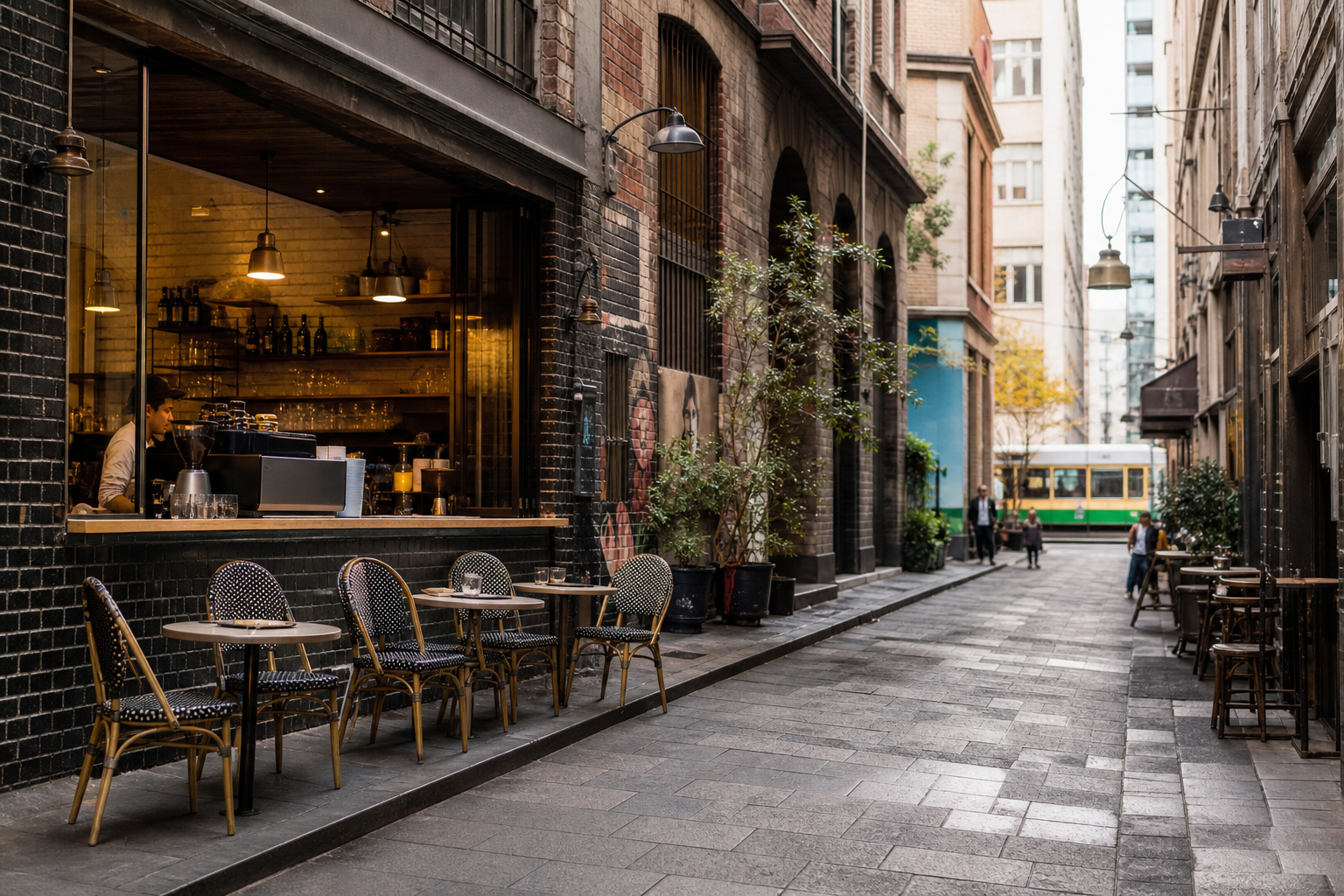
Four nights cover the laneways, National Gallery of Victoria, Fitzroy, Carlton and St Kilda. Queen Victoria Market is useful for breakfast and picnic supplies. Day trips reach the Great Ocean Road or Phillip Island; if self-driving, plan the return and watch for wildlife after dusk.
Good-value food: Laksa King in Flemington, Chinatown dumplings and market stalls are useful anchors. Side-street cafés can cost less than landmark locations.
Queensland & the Great Barrier Reef
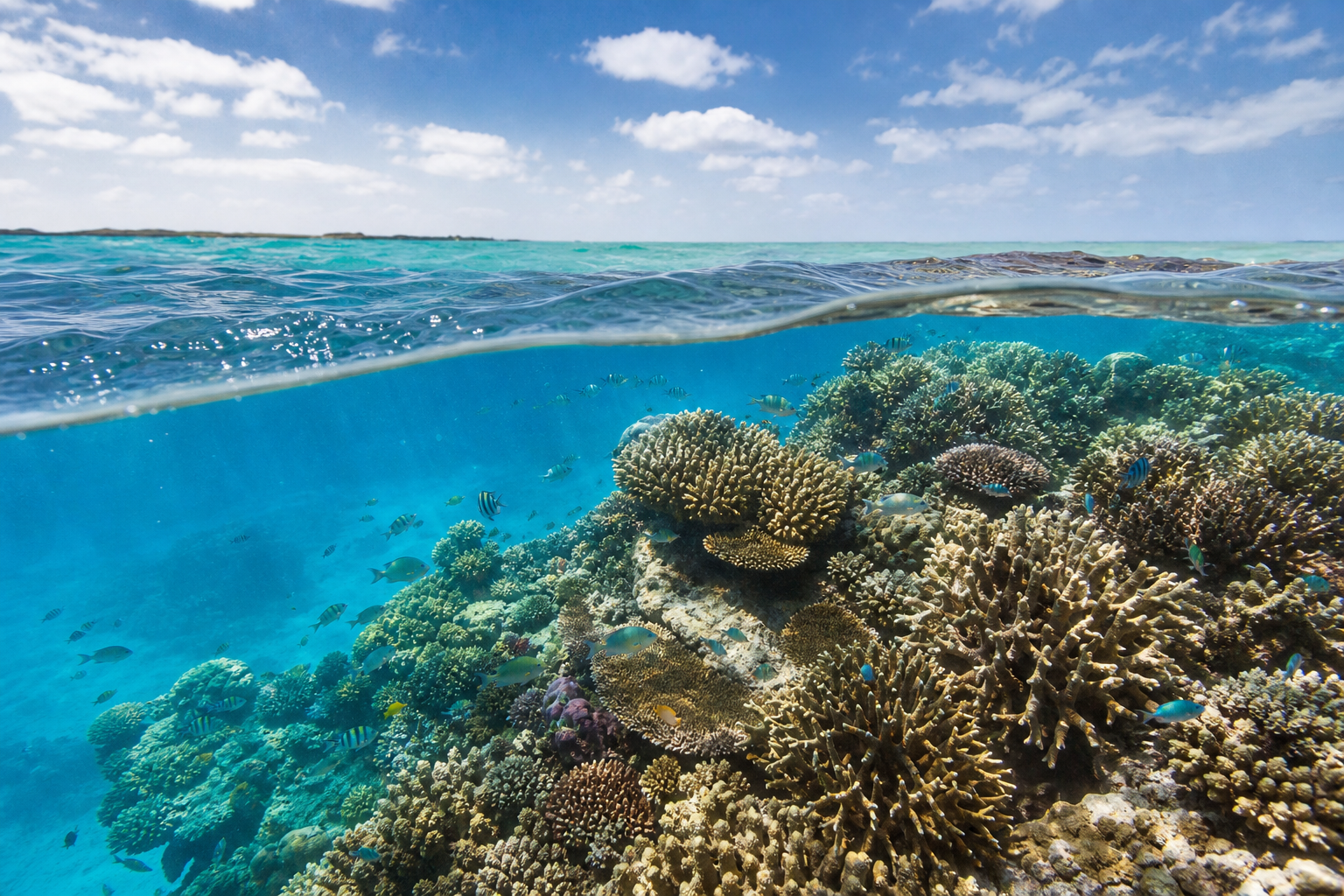
Cairns is practical; Port Douglas feels quieter. The operator matters more than the departure town: compare group sizes, outer-reef time, safety briefings and credible sustainability standards. Keep two weather-buffer days for wind and sea conditions.
May to October is generally drier in the tropical north. November to April brings heat, humidity, heavy rain and possible cyclones. Follow local swimming advice and use stinger suits when recommended.
Other coastal options
Whitsundays for sailing, Daintree for rainforest and K’gari for guided four-wheel-drive trips. Do not underestimate transfers.
Red Centre: Uluru & Kata Tjuta
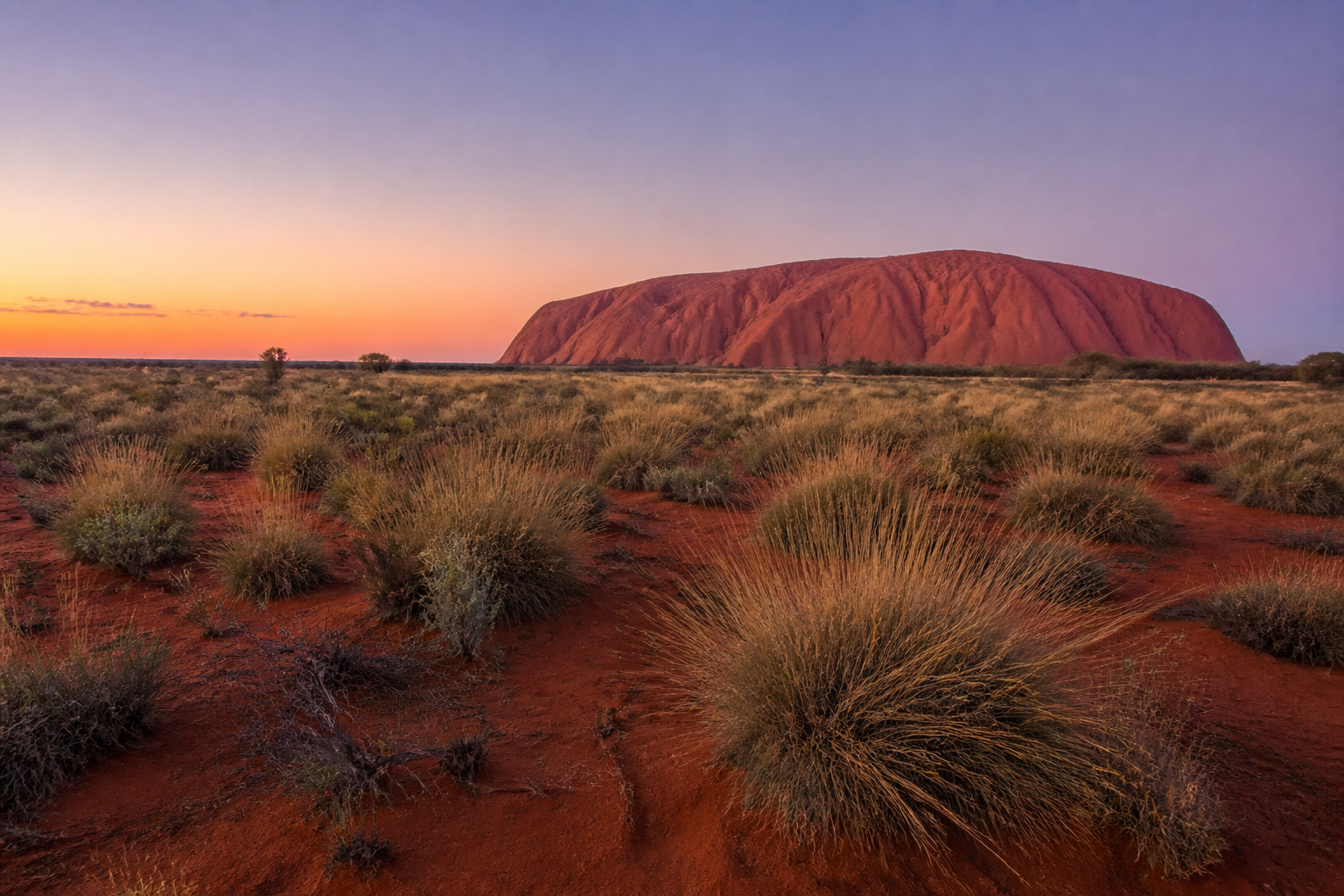
Three nights is a sensible minimum. Sunrise, Valley of the Winds and the cultural centre make this more than a photo stop. Uluru is deeply significant to Anangu: do not climb, respect closures and remain on marked routes. Extreme summer heat can close walks early.
Water, a hat, offline maps and a full fuel tank are standard in the outback. Read rental-car conditions for unsealed roads carefully.
21-day sample route
- Sydney – 5 nights: harbour, neighbourhoods, Bondi–Coogee, Blue Mountains.
- Melbourne – 4 nights: laneways, markets, galleries, Great Ocean Road.
- Cairns/Port Douglas – 5 nights: two reef days, Daintree and weather buffer.
- Uluru/Red Centre – 3 nights: Uluru, Kata Tjuta and cultural centre.
- Flexible reserve – 3–4 nights: add Brisbane, Adelaide, Perth or Tasmania only when the season and flight pattern fit.
Do less, better: Perth, Darwin and Tasmania each deserve a separate route.
Supermarkets, costs and daily life
Aldi is often the value baseline; Coles and Woolworths have the broadest networks and strong own-brand ranges. IGA is useful in smaller towns but may cost more. Refill water and combine restaurant meals with picnics or self-catering. Alcohol is commonly sold in separate bottle shops.
- Hostels/basic motels: often AUD 45–140; mid-range rooms commonly AUD 160–300, with major seasonal swings.
- Café breakfast: about AUD 15–28; simple lunch AUD 15–25; mains often AUD 25–45.
- Book early around school holidays, Christmas, the Australian Open and major events.
Safety and health
- Take UV seriously: SPF 50+, hat, shade and sufficient water.
- Swim at patrolled beaches between the flags and follow rip-current warnings.
- Check bushfire, flood and cyclone alerts daily; roads can close quickly.
- In the outback, share your plan, fuel stops and emergency contacts. Avoid long night drives.
- Never feed or handle wildlife; follow local jellyfish, crocodile and snake guidance.
- Choose travel insurance covering evacuation and rental-car excess.
Official planning
UK travel advice: Australia ↗ · Tourism Australia: trip planning ↗