
Andes, Inca heritage and Pacific coast
A complete guide to Lima, Arequipa, Lake Titicaca, Cusco, the Sacred Valley and Machu Picchu — with realistic itineraries, altitude planning, food, costs and safety.
Peru rewards travelers who gain altitude slowly. Plan not only sights, but also acclimatization, buffer days and dependable transfers.
14–21 days
May to September
Peruvian sol (PEN)
Cusco approx. 3,400 m
Spanish, Quechua, Aymara
Few bases, 3–4 nights
Three practical itineraries
Classic · 14 days
Lima 2 nights · Arequipa 3 · Cusco 3 · Sacred Valley 3 · Machu Picchu 1–2 · fly home.
A strong first visit. Use Arequipa to ease into altitude and avoid filling every Cusco day with excursions.
Andes in depth · 18 days
Lima · Arequipa · Colca Canyon · Lake Titicaca · Cusco · Sacred Valley · Machu Picchu.
More landscape and culture, but several altitude changes. Add Puno only after acclimatizing.
Peru plus Amazon · 21 days
The classic Andes route plus three or four nights in a responsibly run lodge near Puerto Maldonado.
Placing the rainforest at the end reduces pressure and creates a memorable contrast.
Regions and highlights
Lima
Miraflores and Barranco make practical first bases. Combine the coastal promenade, pre-Columbian history and one carefully chosen restaurant; arrange a clear daytime transfer for the historic center.
Arequipa & Colca
The white colonial city sits lower than Cusco and works well as an intermediate step. Allow at least two nights for Colca Canyon so the journey is more than a rushed viewpoint stop.
Cusco
San Blas, Plaza de Armas, markets and Inca walls deserve time. Keep day one gentle: hydrate, eat lightly, walk slowly and avoid alcohol.
Sacred Valley & Machu Picchu
Pisac, Ollantaytambo, Maras
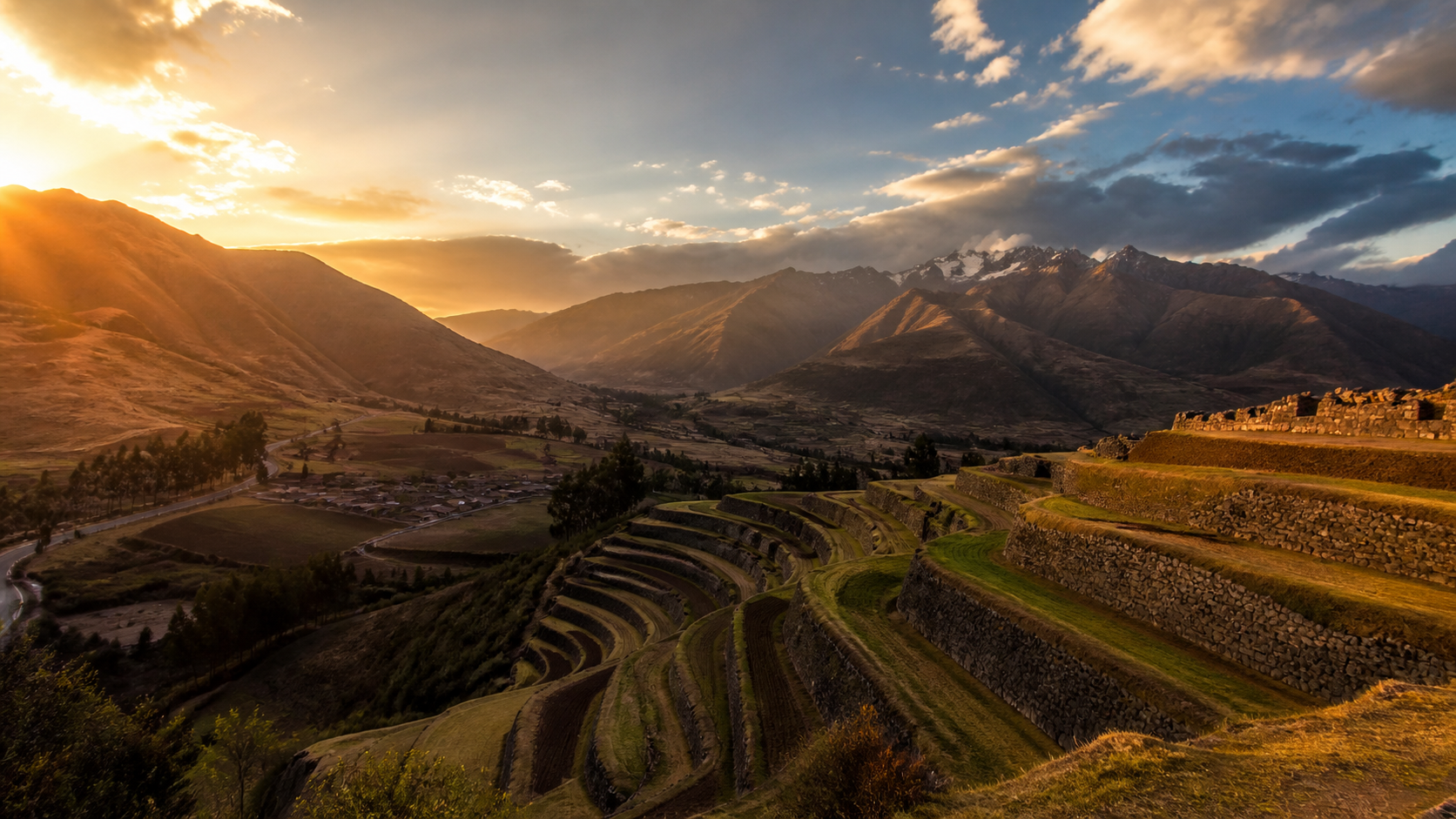
The Sacred Valley lies lower than Cusco. Two or three nights in Ollantaytambo or Urubamba connect ruins, villages and rail access without constant packing.
Machu Picchu
Book admission, circuit and entry time early through the official platform. Match train, hotel and bus only after the ticket is confirmed. Passport and ticket details must agree.
Lake Titicaca
Puno is very high. Choose reputable, locally rooted island operators and approach cultural visits as encounters rather than staged checklists.
Food, restaurants and affordable groceries
What to eat
Try ceviche at lunch on the coast, causa, lomo saltado, ají de gallina, anticuchos, vegetarian Andean dishes and Chifa. For street food, favor busy stalls with clean preparation.
Choosing restaurants
Reserve early in Lima if a renowned restaurant matters. A menú del día can offer several affordable lunch courses. In tourist hubs, check current reviews and opening hours.
Supermarkets
Plaza Vea, Tottus and Metro are widespread. Markets are excellent for fruit and snacks; agree prices before buying and keep sensitive food cool in transit.
Where to stay, transport and costs
Good bases
- Lima: Miraflores or Barranco.
- Arequipa: near the historic center, on a quiet street.
- Cusco: center for convenience; San Blas if stairs are no issue.
- Sacred Valley: Ollantaytambo for rail access and atmosphere.
For early trains, confirm breakfast hours, luggage storage and transfers in writing.
Getting around
Domestic flights save huge distances. Use established long-distance bus companies and avoid risky overnight routes. In cities, choose official taxi apps or drivers arranged by your hotel.
Book Machu Picchu rail early. Allow for luggage restrictions, station transfers and possible weather or protest disruptions.
Safety and health
Altitude sickness
Acclimatize slowly. Severe headache, breathlessness at rest, confusion or clear deterioration require descent and medical help. Discuss medication with a clinician.
Cities & transport
Carry valuables discreetly, avoid displaying a phone at the roadside and use reliable transfers at night. Keep away from demonstrations, which can block roads and airport access.
Nature & trekking
Check weather, elevation and permits. For remote trips, choose registered operators, adequate insurance and realistic daily distances.
Emergency numbers: Police 105, fire 116, SAMU medical emergencies 106 where available. Keep insurer contacts offline.
Official sources: German Federal Foreign Office – Peru · Machu Picchu – official tickets · PROMPERÚ – official travel portal. Recheck details before departure.
Packing list
Documents
Passport, insurance details, tickets, confirmations and offline copies.
Andes
Layers, rain and sun protection, sturdy shoes, water bottle and personal medication.
Technology
Power bank, offline maps, translation, adapter and a securely stored second payment method.
Frequently asked questions
How many days do I need for Peru?
Fourteen days cover Lima, Arequipa, Cusco, the Sacred Valley and Machu Picchu. With 18 to 21 days, add Colca, Lake Titicaca or the Amazon without turning every second day into a transfer.
How early should I book Machu Picchu?
For popular months, book as soon as the official platform releases dates. Secure admission and circuit first, then match train, accommodation and bus.
Is Peru suitable for a first independent trip?
Yes, when the itinerary is not too dense. Reliable airport transfers, established bus and rail companies and advance booking of the core elements make the trip much easier.
Can I drink tap water?
Generally not untreated. Use bottled or reliably filtered water; travelers with sensitive stomachs should also be cautious with ice and tooth brushing.
How should I pay?
Cards work in cities and many hotels. Carry small-denomination cash for markets, smaller restaurants and rural areas, with a second card stored separately.
Peru needs space between its highlights.
Choose fewer stops, ascend slowly and give landscape, history and people more room than the checklist.